Chimney inspectors listed in Chicago
See all 31 in Chicago →- 14.7★ · Chicago
Chimcare provides chimney sweep, chimney repair, masonry, and fireplace services. The business states that it began as a chimney sweeping company in Canby, Oregon in 1989.
- 2Chimney Safety Institute of America · National Chimney Sweep Guild
A-1 Safety Chimney Service, Inc. is a family-owned and operated chimney service company established in 1989. It provides chimney inspections, sweeps, repair, and installation services for homes and businesses in Chicagoland and surrounding suburbs. Its service technicians are nationally certified by the Chimney Safety Institute of America.
- 3CSIA Certified Chimney Sweep
- 4CSIA Certified Chimney Sweep
- 5CSIA Certified Chimney Sweep
Get free quotes from chimney inspection in Chicago
Takes about a minute. Free, no obligation; providers reply to you directly.
I bought my first house in Chicago in 2019, three months before winter hit hard. The inspection report said “chimney looks fine,” which I took at face value—until January when I smelled smoke backing up into the living room and a chimney sweep told me there was 3 inches of creosote lining the flue. That “fine” inspection had cost me $400 and nearly cost me a house fire.
Turns out, not all chimney inspections are created equal. And in a city like Chicago—where older homes, brutal winters, and aging infrastructure are basically the starter pack—choosing the wrong inspector isn’t just an inconvenience. It’s a liability.
The Short Version:You need a CSIA-certified inspector who performs Level 2 inspections with camera documentation in Chicago. Annual maintenance saves you thousands in repairs; real estate transactions require certified third-party inspections, not the seller’s guy.
Key Takeaways
- CSIA certification isn’t optional—it’s the baseline for anyone handling your chimney
- Level 2 inspections are non-negotiable for home purchases; Level 1 is fine for annual maintenance
- Chicago’s climate and historic housing stock create specific risks: creosote buildup, masonry deterioration, and flue damage
- Camera documentation gives you proof of what’s actually happening inside your flue—no guessing games
The Problem Nobody Tells You About Chicago Chimneys
Here’s what most guides skip: Chicago’s chimney problems aren’t random. The city’s combination of cold winters, older brick construction, and wood-burning heating creates a perfect storm for creosote accumulation and flue damage.
Reality Check: The National Fire Protection Association (NFPA) recommends annual inspections for any chimney that’s been used. In Chicago’s climate, this isn’t a suggestion—it’s insurance against a $50,000+ fire or carbon monoxide situation.
Most homeowners in Chicago treat chimney inspections like they treat oil changes—grudgingly, once every few years, with whatever inspector happens to have the next appointment. But here’s the thing: your chimney isn’t a fluid reservoir. It’s a fire safety system that deteriorates in ways you literally cannot see without specialized equipment.
That’s where the difference between CSIA-certified professionals and the “chimney guy” your neighbor recommended becomes real.
What You’re Actually Paying For (And Why It Matters)
Chimney inspectors perform three levels of service:
| Inspection Type | What It Covers | When to Use | Cost Range |
|---|---|---|---|
| Level 1 | Visual inspection of accessible areas; no camera | Annual maintenance, routine checks | $100–$200 |
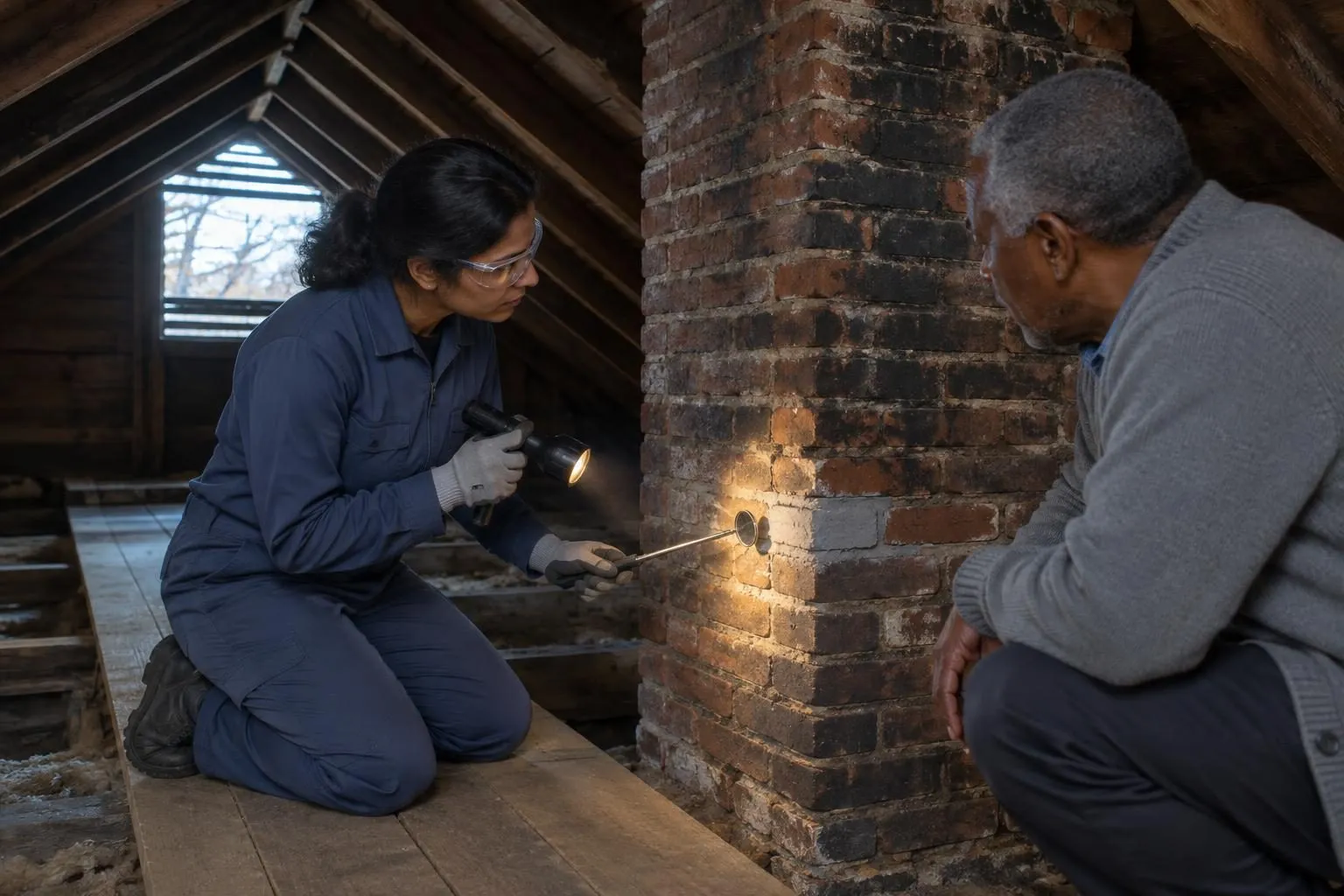
| Level 2 | Full visual + camera scan of interior flue | Home purchase, after fire damage, if Level 1 flags issues | $250–$500 |
| Level 3 | Structural damage assessment; often requires partial removal | Suspected major damage, pre-repair evaluation | $500–$1,500+ |
Pro Tip: If you’re buying a home in Chicago, insist on a Level 2 inspection written into your offer contingencies. This isn’t negotiable—it’s literally the only way to know what’s inside that flue.
In Chicago’s real estate market, Level 2 inspections with documented camera footage are standard practice. If a seller or their inspector pushes back, that’s your first red flag.
The CSIA Certification Matters More Than You Think
The Chimney Safety Institute of America (CSIA) certification isn’t a marketing label—it’s a technical qualification that requires training, testing, and continuing education. Certified professionals understand creosote chemistry, flue dynamics, carbon monoxide risks, and local building codes.
Nobody tells you this: An uncertified “chimney sweep” can legally operate in Illinois with zero formal training. That guy who shows up in a pickup truck and promises to clean your chimney for $150 might be competent. Or he might miss a cracked flue that lets carbon monoxide into your bedroom.
Chicago winters mean chimney fires happen. When they do, your insurance company will ask one question: “Was this inspected by a certified professional?” The answer determines whether you get paid.
Chicago’s Specific Challenges
Chicago has roughly 500,000 housing units, and a significant portion were built before 1950. That means:
- Masonry deterioration: Brick and mortar degrade in freeze-thaw cycles. Chicago gets those cycles relentlessly.
- Creosote buildup: Wood-burning fireplaces and older heating systems leave flammable deposits. Combined with Chicago’s heating season (October–April), buildup happens fast.
- Flue damage: Older chimneys often have damaged clay tiles or unlined flues—which is a CO hazard and a fire hazard.
- Building code compliance: Chicago has specific venting requirements for gas appliances and furnaces that tie into chimney systems.
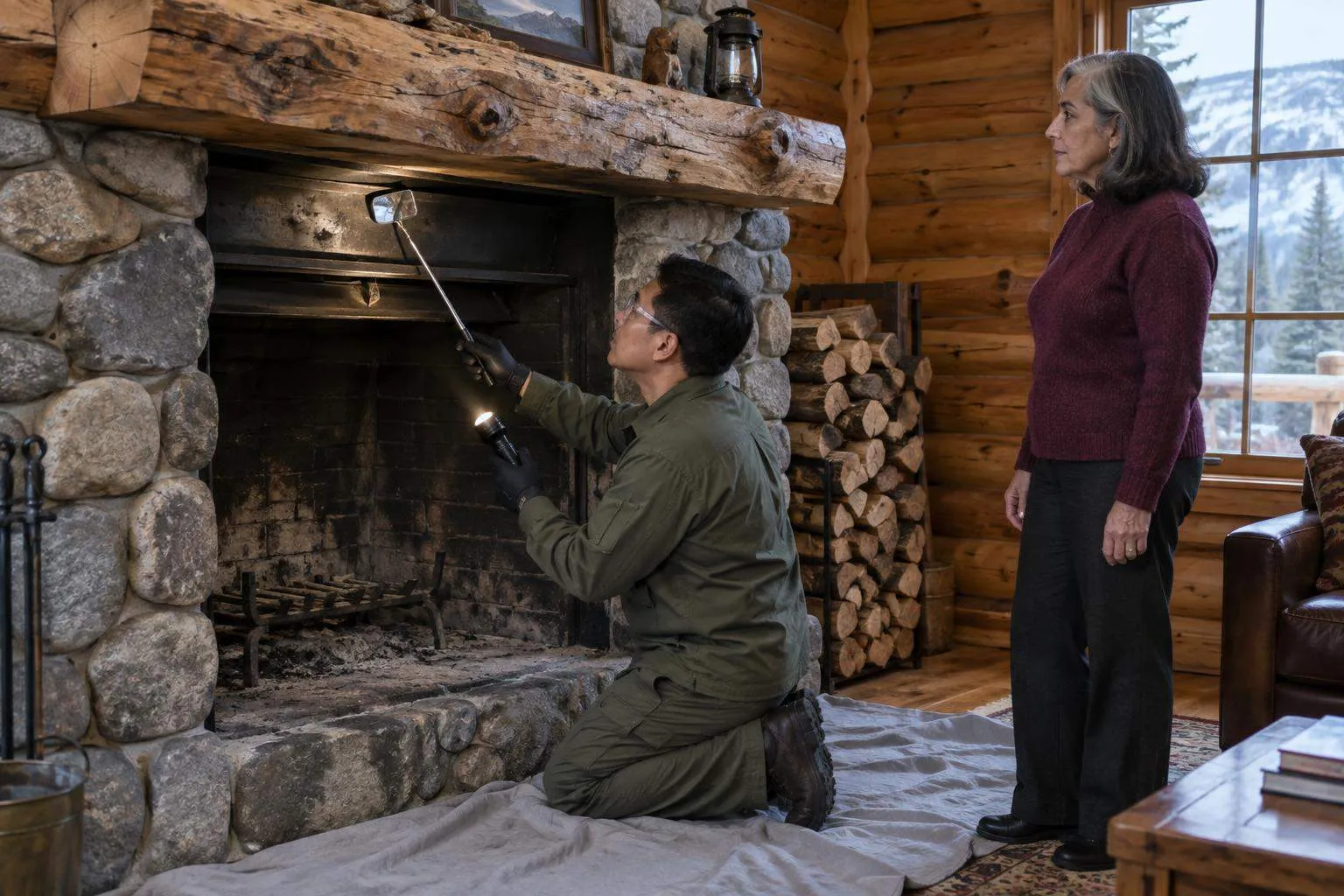
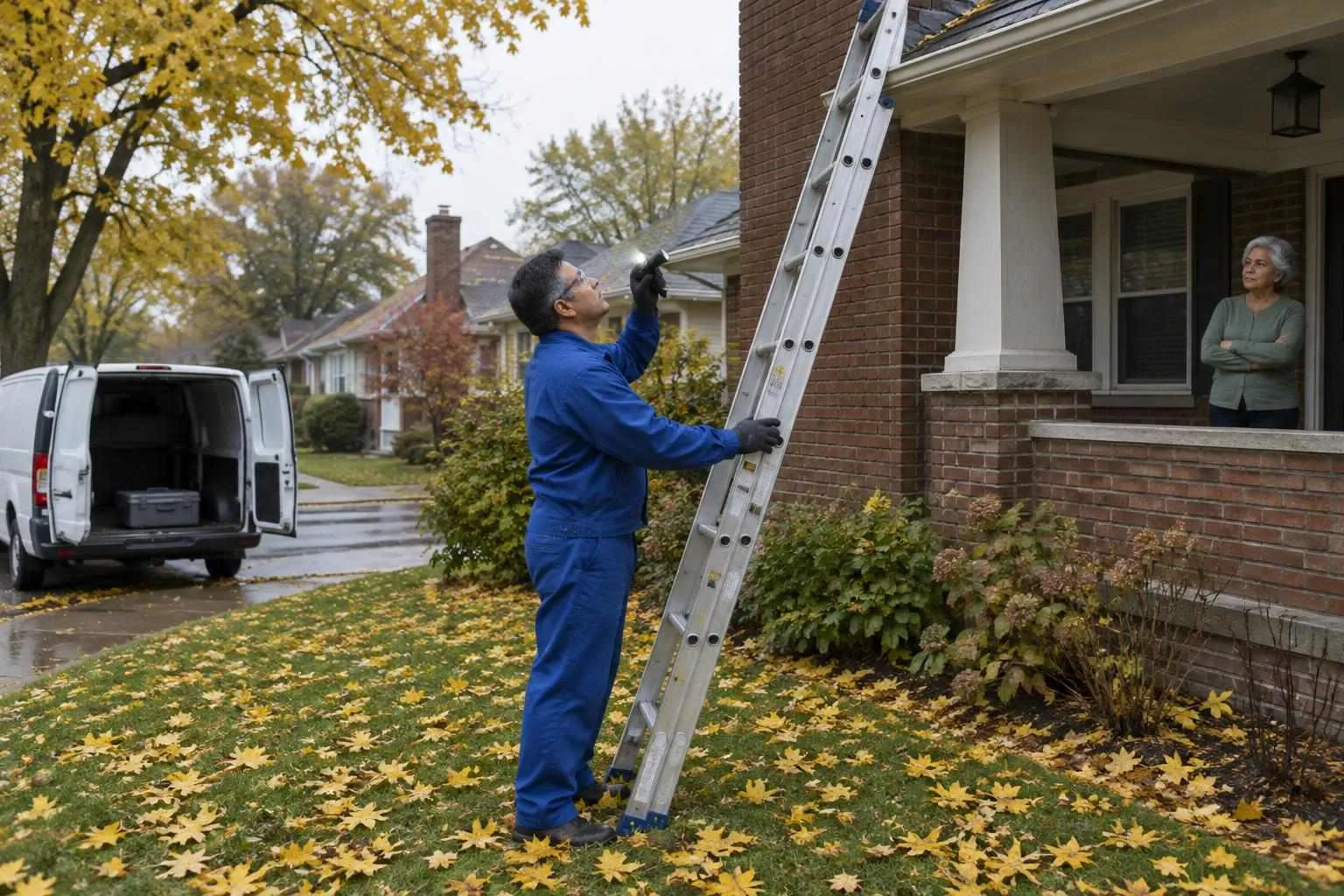
A good inspector in Chicago asks about your heating system, your fireplace usage, and whether you’ve had any issues. They don’t just show up, point a flashlight up, and call it done.
Finding the Right Inspector in Chicago
Look for these specific markers:
CSIA Certification: Non-negotiable. Ask for their certification number and verify it on the CSIA website—takes 30 seconds.
Local Experience: An inspector who’s spent years in Chicago knows masonry deterioration patterns, understands seasonal risks, and can spot the problems that matter in this climate.
Camera Documentation: They should provide video or still images from inside your flue. If they say “we know what we’re looking for,” that’s code for “we don’t have the equipment.”
Written Report: Not a phone call. Not a text. A detailed, signed inspection report that you can share with your insurance company, lender, or future buyer.
Insurance and Licensing: Confirm they’re insured and licensed in Illinois. This isn’t paranoia—it’s baseline risk management.
The Money Math
Annual inspection and cleaning: $150–$300
Level 2 inspection for a home purchase: $250–$500
Chimney fire damage (structural repair, flue replacement): $5,000–$15,000+
Carbon monoxide-related medical bills and liability: Unquantifiable
An annual inspection costs about what you spend on coffee in six months. A chimney fire costs what you’d spend on coffee in five years.
Reality Check: You don’t save money by skipping annual inspections. You just shift the risk.
Practical Bottom Line
If you live in Chicago and use your fireplace or have a chimney-vented appliance:
- This year: Get a Level 2 inspection from a CSIA-certified professional. Budget $250–$500 and ask for camera documentation.
- Next year and every year after: Schedule an annual Level 1 inspection before heating season (September). Cost: $150–$250.
- When buying: Make the Level 2 inspection a contingency in your offer. Don’t waive it.
- When you get the report: Read it. Ask questions. If the inspector recommends repairs, get a second opinion before spending money.
For a comprehensive overview of what to expect from chimney inspections nationwide, see our Complete Guide to Chimney Inspectors. For other Chicago-area home services, check our Chicago directory.
The inspector I finally hired in 2019 was CSIA-certified, came with camera equipment, and provided a written report with photos. Cost me $400 for the inspection and $600 for the cleaning. Saved me from a chimney fire that would have cost $12,000 in repairs and possibly my house.
Don’t learn this lesson the hard way.
Done reading? Get quotes from chimney inspectors in Chicago.
Takes about a minute. Free, no obligation; providers reply to you directly.
Popular cities: