What would your job cost? Get quotes from chimney inspection providers near you
Takes about a minute. Free, no obligation; providers reply to you directly.
I called my chimney inspector last fall and nearly fell off my chair when he quoted me $425 for a Level 2 inspection. That felt high. So I did what any paranoid homeowner does—I called three competitors. Their quotes? $385, $410, and $475. Same service, same certification, wildly different prices.
That’s when I realized something: nobody actually knows what chimney inspections should cost, because the price depends almost entirely on where you live and what’s hiding inside your flue.
The Short Version:Expect to pay $150–$400 for a basic cleaning plus Level 1 inspection nationally, but Northeast states run 20–40% higher than Southern markets. Service type (video inspection vs. visual) matters more than state alone.
Key Takeaways
- National average: $361–$450, but regional variations swing this by 50%+ depending on labor rates and climate
- Service type matters more than location: a Level 1 visual ($100–$250) costs a fraction of a Level 3 structural ($1,000–$5,000+)
- Northeast homeowners pay a premium due to older housing stock and year-round heating demands
- Finding value doesn’t mean finding cheap—it means understanding why your local market costs what it does
Why Chimney Costs Vary So Much (And It’s Not Just Geography)
Here’s what most people miss: chimney inspector pricing isn’t arbitrary. It’s driven by three concrete factors that have nothing to do with whether you’re “getting ripped off.”
First: labor costs and cost of living. The Northeast—especially Massachusetts, Connecticut, and New York—pays inspectors 30–40% more than rural Southern states. It’s not greed; it’s economics. A technician in Boston needs higher revenue per job just to cover overhead. That math gets passed to you.
Second: housing stock and climate. Northeast homes average 80+ years old with masonry chimneys that see constant use in brutal winters. Southern homes often have newer prefabricated systems and milder winters, meaning less buildup and simpler inspections. More complex = more expensive.
Third: seasonal demand compression. Fall and winter (heating season) spike demand in cold climates. Inspectors can charge premium rates when every homeowner suddenly needs one before November. Southern states see more even demand year-round, which typically means lower pricing.
Regional Breakdown: What You’ll Actually Pay
| Region | Level 1 (Visual) | Level 2 (Video) | Standard Cleaning + Inspection | Notes |
|---|---|---|---|---|
| Northeast | $150–$300 | $400–$650 | $250–$450 | Older homes, cold climate, higher labor costs |
| South | $100–$200 | $300–$500 | $150–$350 | Newer systems, milder climate, lower overhead |
| Midwest | $125–$275 | $350–$550 | $200–$400 | Moderate climate, mid-range pricing |
| West Coast | $150–$350 | $400–$700 | $250–$450 | Urban labor costs, variable housing age |
Reality Check: Don’t anchor on the “low” column. A $100 Level 1 in rural Georgia is often a 45-minute visual from someone who learned the trade locally. A $300 Level 1 in Boston might include drone assessment for multi-flue systems. Same category, completely different scope.
The Real Cost Drivers (State Matters Less Than These)
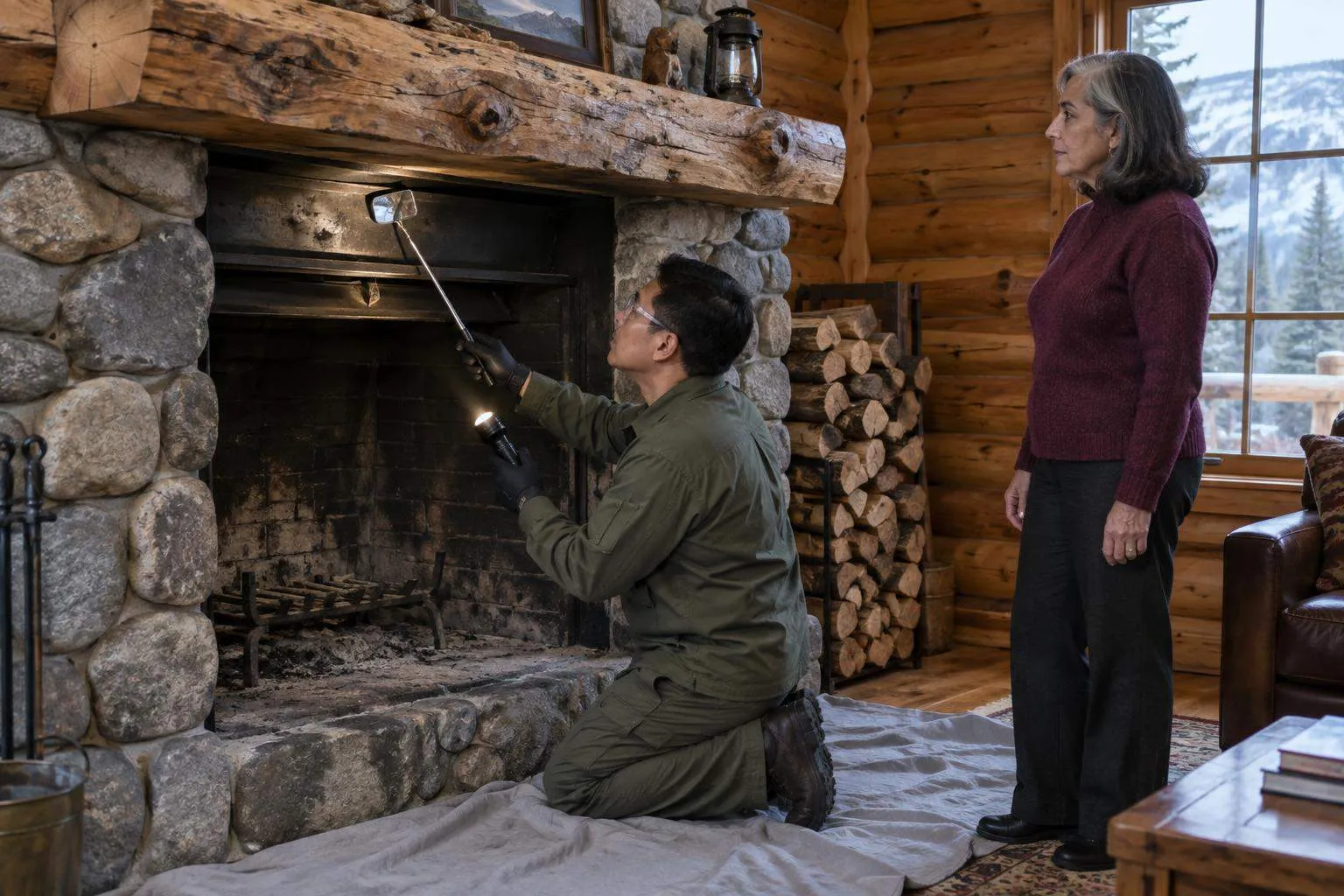
Heavy creosote buildup: Your chimney sat unused for five years? Add $100–$300 to whatever the base quote is. The inspector has to spend extra time scraping, analyzing, and documenting.
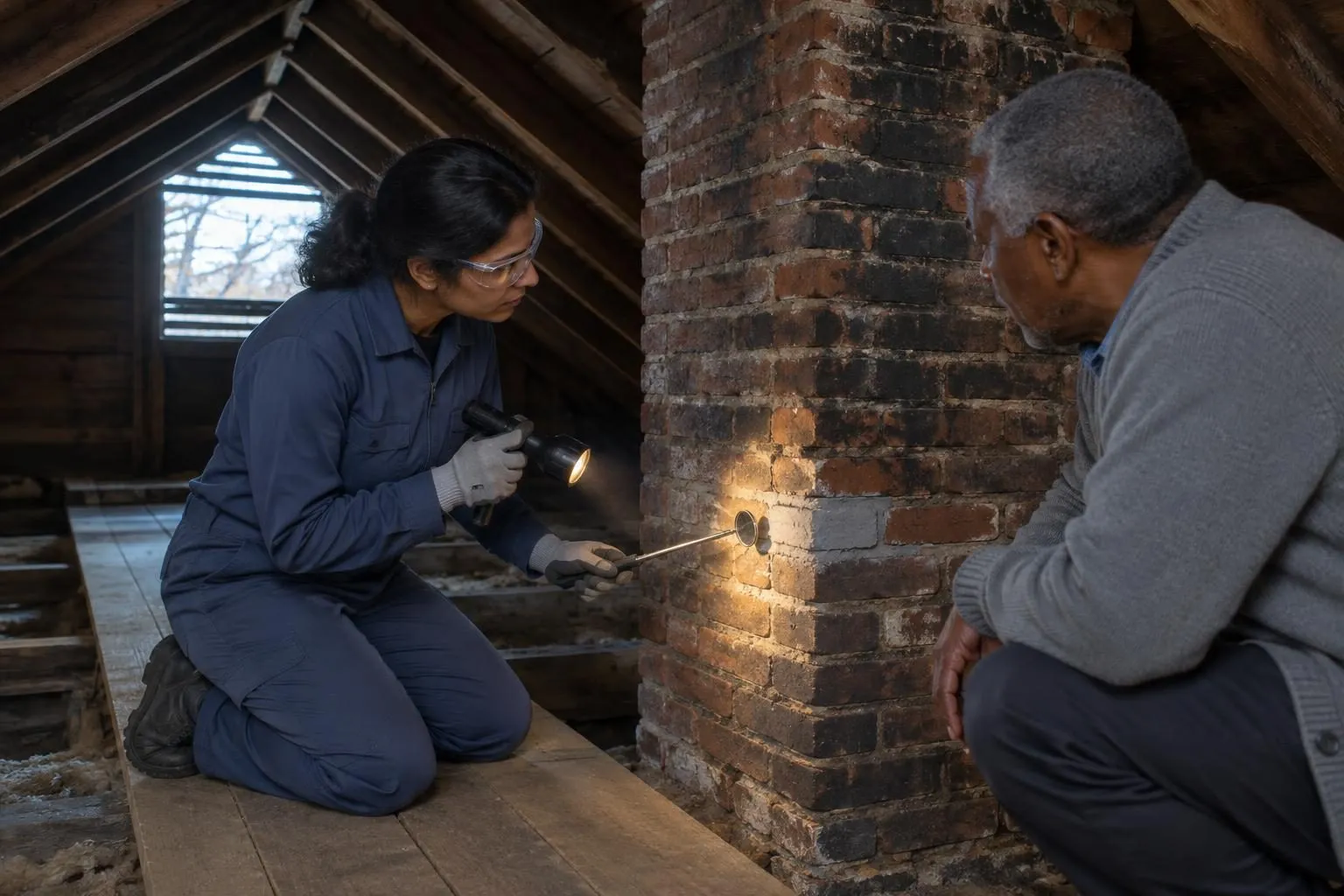
Structural damage: A cracked flue liner, missing mortar, or chimney fire history turns a $200 inspection into a $1,000+ Level 3 invasive assessment with thermal imaging and scaffold work.
Multiple flues: One inspection per flue. A three-flue chimney doesn’t cost 3x, but it costs noticeably more—sometimes 50–75% additional.
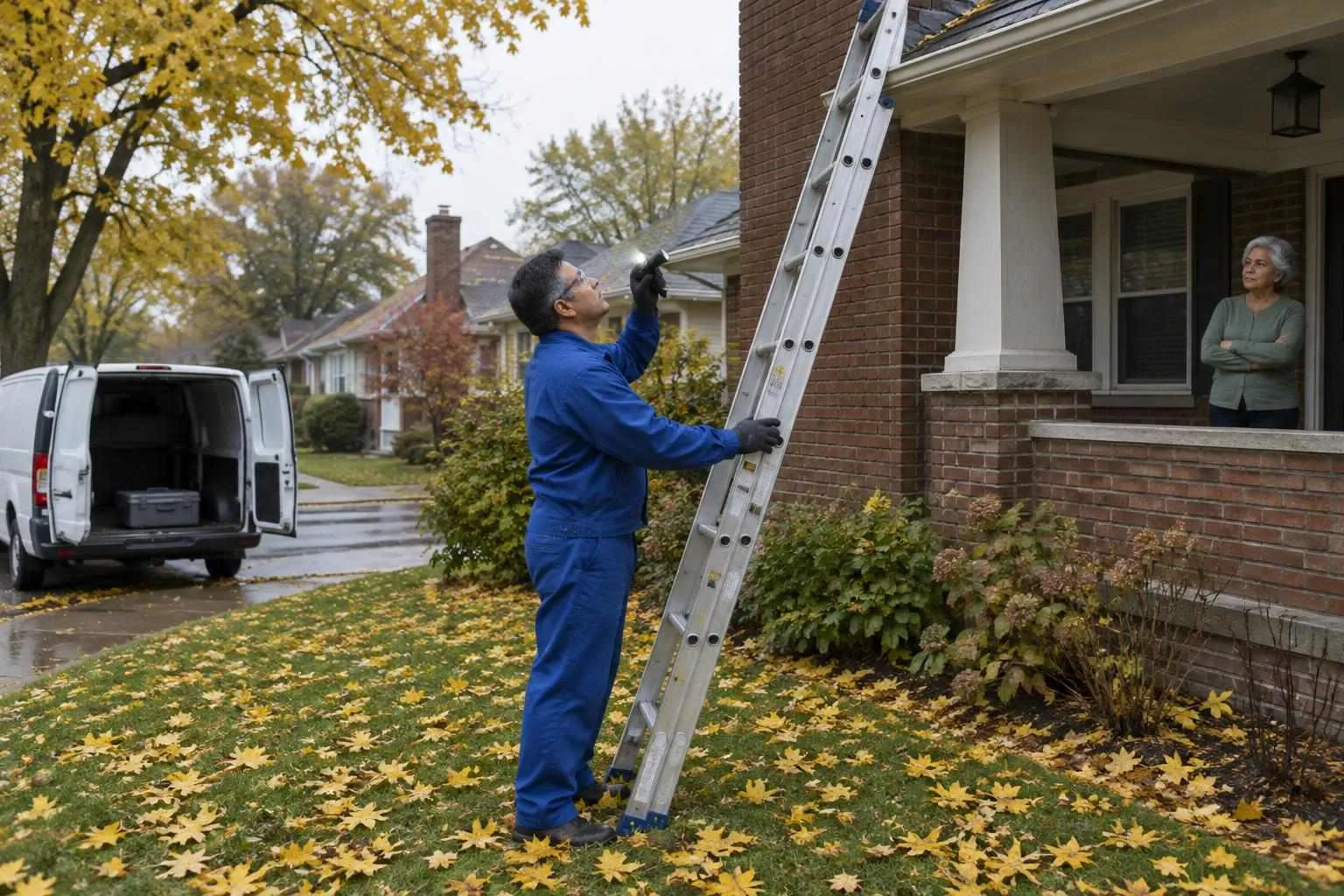
Roof access difficulty: Steep roof angles, limited ladder space, or second-story access adds labor time. A single-story, easy-access ranch? Cheapest job on the inspector’s day. A four-story Victorian with a slate roof? Premium pricing applies.
Emergency status: Post-fire inspections or urgent scheduling command 25–50% premiums over standard rates.
Breaking Down Service Types (More Important Than State)
Here’s where most DIYers get confused—they think “chimney inspection” is one thing. It’s not.
| Service | Cost Range | What It Includes |
|---|---|---|
| Gas fireplace cleaning | $80–$150 | Quick sweep, visual check, no structural assessment |
| Level 1 inspection | $100–$250 | Visual-only, annual maintenance standard |
| Prefab chimney cleaning | $90–$175 | Metal systems, straightforward |
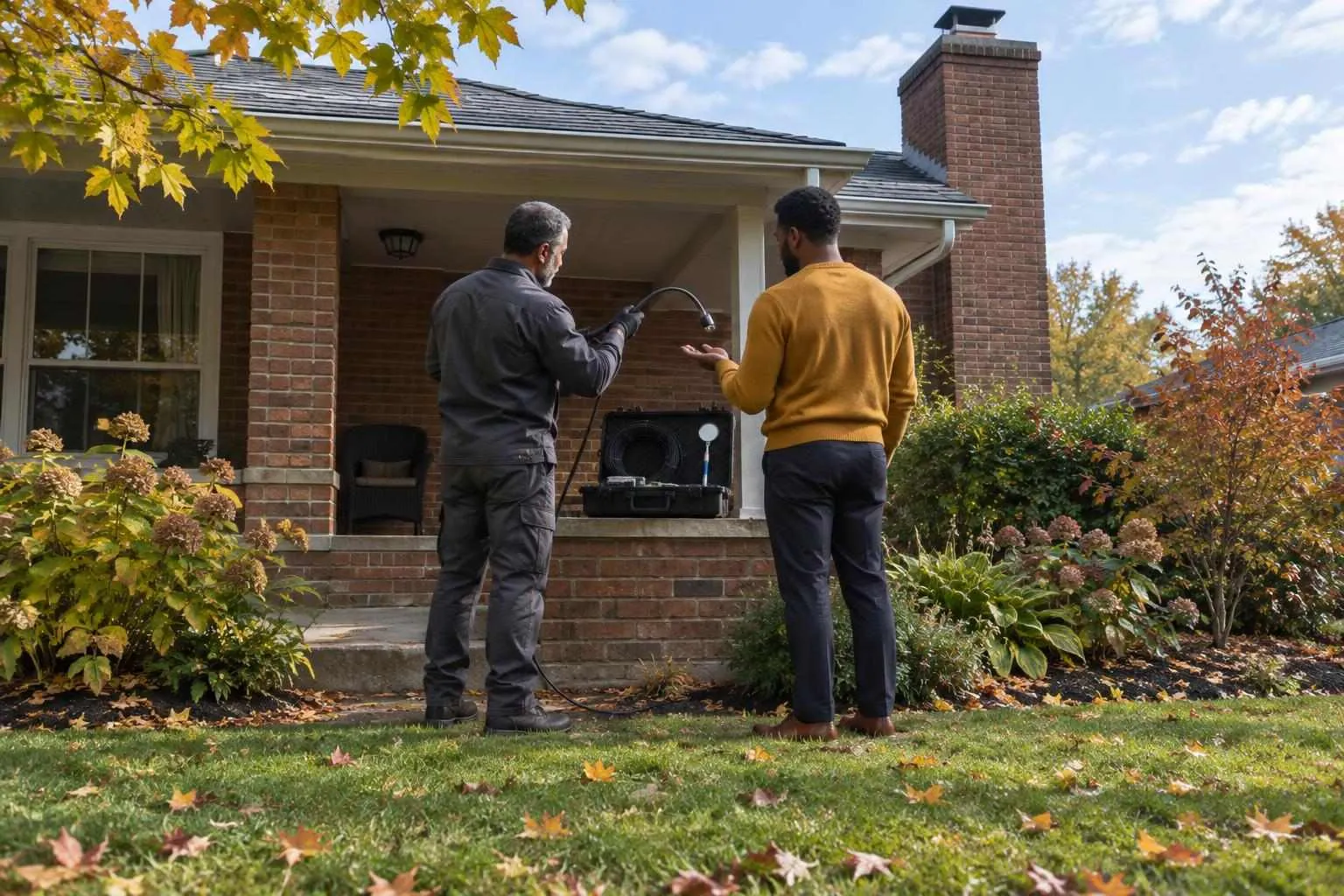
| Level 2 inspection | $300–$600 | Video scope, detailed flue imaging, real estate standard |
| Wood/pellet stove cleaning | $130–$300 | More intensive than gas, creosote focus |
| Level 3 inspection | $1,000–$5,000+ | Invasive structural, thermal imaging, scaffold access |
A Northeast homeowner paying $650 for a Level 2 isn’t overpaying—that’s market rate for a video inspection with written report. A Southern homeowner paying $180 for the same service is getting a deal, probably because their inspector has lower overhead and steadier demand.
Timing Affects Price (A Lot More Than Most People Realize)
Schedule your inspection in September in a cold state? You’ll compete with 1,000 other homeowners. Prices spike. Call in June or July? You get preferred scheduling and sometimes discounted rates.
Pro Tip: If you live in a high-cost market (Northeast, West Coast urban areas), consider booking in late spring or early summer when demand drops. You’ll pay 15–25% less and get more thorough attention from inspectors who aren’t rushing through 6 jobs a day. One homeowner I talked to saved $140 just by moving her inspection from October to July—same inspector, same scope, pure demand-based pricing.
What the Industry Actually Charges (Flat-Rate Standard)
Most CSIA-certified inspectors work on flat-rate pricing, not hourly. This is actually good news—it removes ambiguity. You know your cost upfront. The downside: flat rates bake in assumptions about complexity. If your chimney is genuinely tricky, some inspectors will quote higher knowing it’ll take longer.
Standard service takes under two hours. If an inspector quotes you 4+ hours, ask why—that usually signals expected structural problems.
Reality Check:The cheapest inspector isn’t the best deal if they skip Level 2 video documentation or don’t provide written findings. Conversely, paying $700 for a Level 1 when Level 2 is $750 is poor value. Price relativity matters more than absolute dollars.
Practical Bottom Line
1. Get three quotes locally. Regional data is useful, but your actual cost depends on your specific chimney. $50 variation between quotes is noise; $200+ variation deserves explanation.
2. Match service type to your need. Annual maintenance? Level 1 is fine ($150–$250). Real estate transaction? Demand Level 2 video documentation ($350–$600). Suspect structural damage? Budget for Level 3 ($1,500+).
3. Don’t schedule in fall. If you live in a heating-season state, book spring or early summer. Your cost drops, service improves, and inspectors aren’t rushing.
4. Ask about the report. A written findings document should be included, not upsold. If it’s extra, walk.
For more on finding the right inspector in your area, check out our complete guide to chimney inspectors. And if you’re shopping during a real estate transaction, we’ve got deeper guidance on what Level 2 inspections actually reveal—worth reading before you’re in a bidding war.
Your chimney’s age, condition, and access matter more than your state’s average. But knowing what your region typically costs? That’s the baseline for spotting a genuine deal versus a rushed quote.
Done reading? Get quotes from chimney inspectors near you.
Takes about a minute. Free, no obligation; providers reply to you directly.
Popular cities: