Get free quotes from chimney inspection near you
Takes about a minute. Free, no obligation; providers reply to you directly.
A homeowner in Houston called a “budget” chimney inspector—$85, in-and-out in 20 minutes, mostly a visual once-over from the ground. The inspector said it looked fine. Six months later, a chimney fire destroyed the flue liner and nearly took the house with it. The real cost of that $85 inspection? $4,200 in repairs, insurance complications, and the sinking realization that the inspector had missed creosote buildup thick enough to ignite. The kicker: a proper Level 2 inspection with camera work would have caught it for $300.
This is the real conversation nobody wants to have about cheap chimney inspections. Sometimes budget works. Sometimes it burns your house down.
The Short Version:A $75–$150 inspection rarely catches what matters. You want a certified Level 2 inspection ($200–$1,000) with camera equipment and a detailed report. Skip it to save $150 now, and you’re gambling with $5,000+ in repairs, CO leaks, or fire damage later.
Key Takeaways
- Cheap inspections (<$100) are rushed, miss creosote, cracks, and CO hazards—common cause of fires and water damage
- Level 2 inspections ($200–$1,000) with video cameras and certified inspectors catch real problems before they escalate
- Free estimates often hide surprise fees; paid inspections provide firm pricing and documented defect reports
- Annual inspections are not optional—NFPA 211 standards exist because chimney fires and CO poisoning kill
The Bait-and-Switch Problem (And Why It Matters)
Here’s what most people don’t realize: there’s a difference between a cheap estimate and a cheap inspection.
Free or ultra-cheap estimates ($50–$85) are designed to get your foot in the door. The inspector comes, takes a quick look, and then—surprise—discovers you need a Level 2, a cleaning, camera access, roof permits, material markups. By then you’re already on the hook.
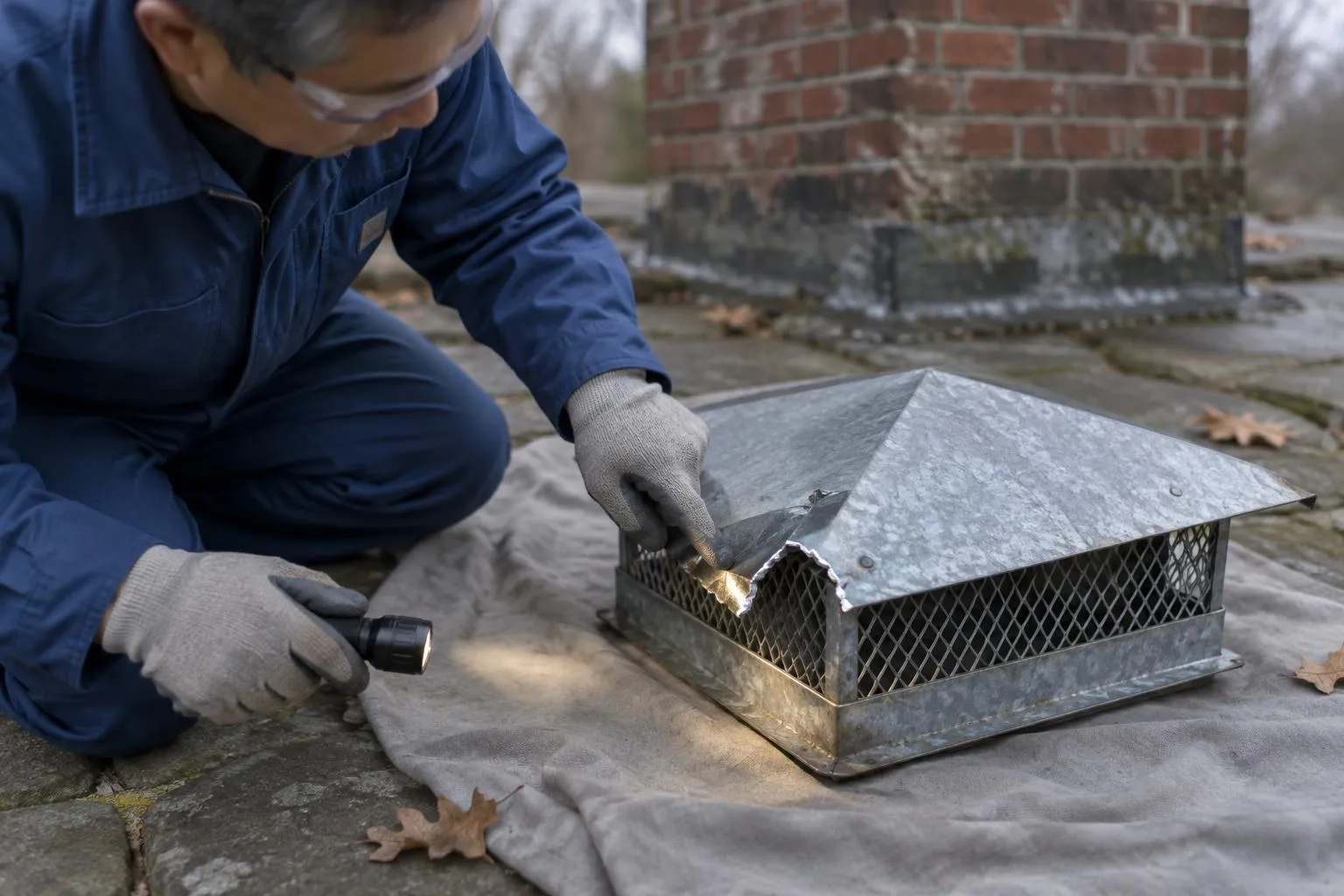
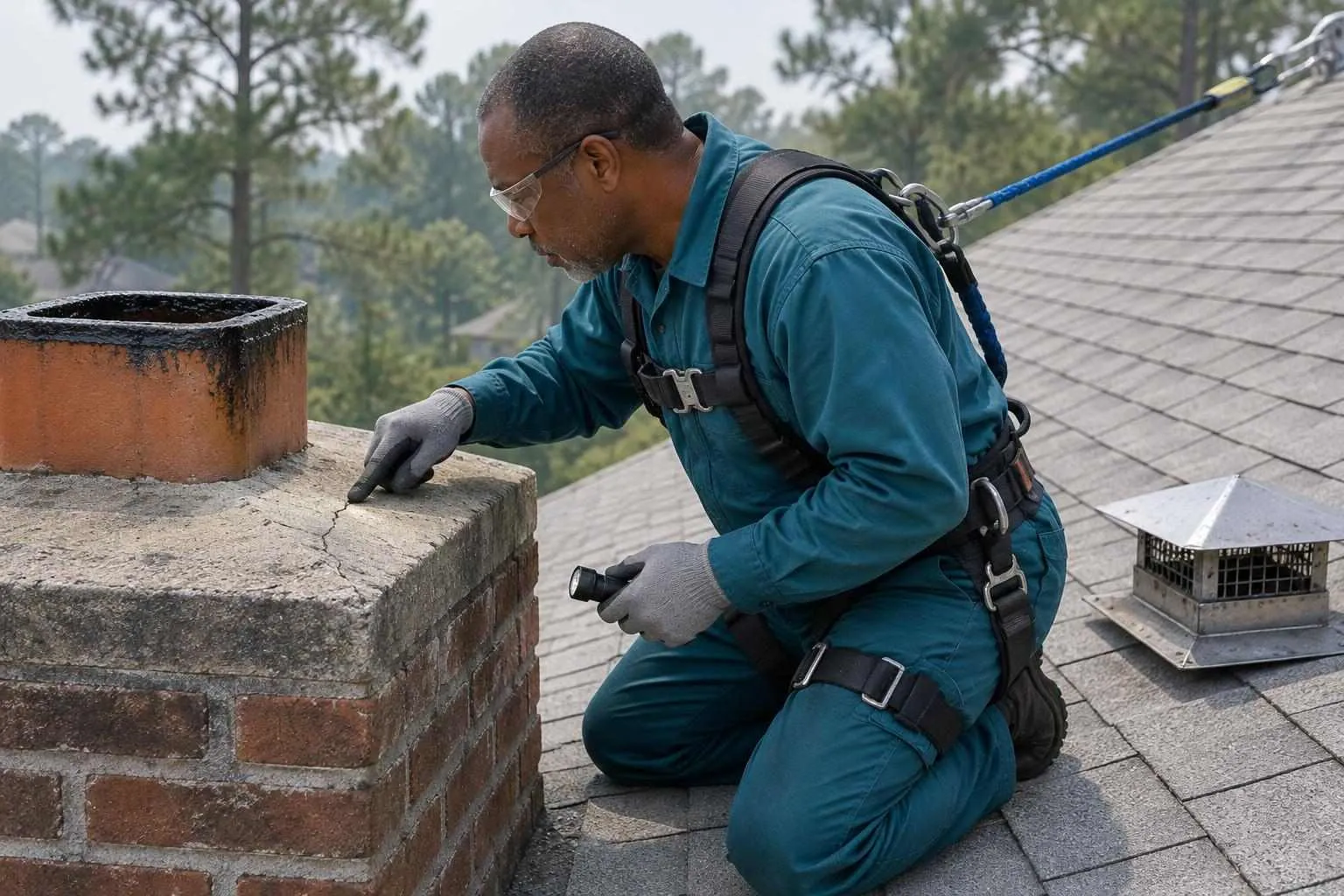
ATA Chimney Services and Chimney Bear have both documented the same pattern: budget inspections miss the obvious stuff. Creosote buildup that’s invisible from ground level. Hairline cracks in the flue liner that let carbon monoxide seep into living spaces. Damaged crowns that funnel water directly into your masonry. All of it missed because the inspector didn’t have the right tools, the training, or the time.
The industry average for a proper Level 2 inspection in 2026 is $450—and that’s with cleaning bundled in. A Level 1 (basic visual) starts around $100. Level 3 (the deep dive for post-fire or structural failure) runs $500–$6,300.
I’ll be honest: $450 feels expensive until you compare it to $5,000+ for a new flue liner or the legal liability of a CO-related illness.
Reality Check:Free or cheap estimates (<$100) often lead to hidden fees for camera work, roof access, or “discovered” repairs. You think you’re saving $150; you end up paying $800 total, and the original problem wasn’t even properly diagnosed.
What Gets Missed (And Why It Matters)
The NFPA 211 standards exist for a reason. Chimneys fail in specific ways, and each requires a different level of scrutiny:
| Inspection Level | Cost | What It Covers | What It Misses |
|---|---|---|---|
| Level 1 (Visual) | $80–$150 | Basic exterior/interior check, no tools | Creosote depth, hairline cracks, internal mold, weak flue |
| Level 2 (Standard with Camera) | $200–$1,000 | Video scan of full flue, identifies cracks/damage/buildup | Structural integrity behind walls, post-fire hidden damage |
| Level 3 (Comprehensive/Post-Fire) | $500–$6,300 | Physical access, dismantling if needed, full structural eval | N/A—this is the gold standard |
A cheap Level 1 inspector might spot a visibly cracked crown. They’ll miss the creosote buildup inside the flue that’s 1/4 inch away from ignition temperature.
Real example: A homebuyer in Pennsylvania skipped a detailed inspection to save money. During the appraisal, mold was found deep in the flue—invisible from outside. Insurance denied the claim because the defect should have been caught. The buyer ended up in a dispute with the seller over who pays for remediation.
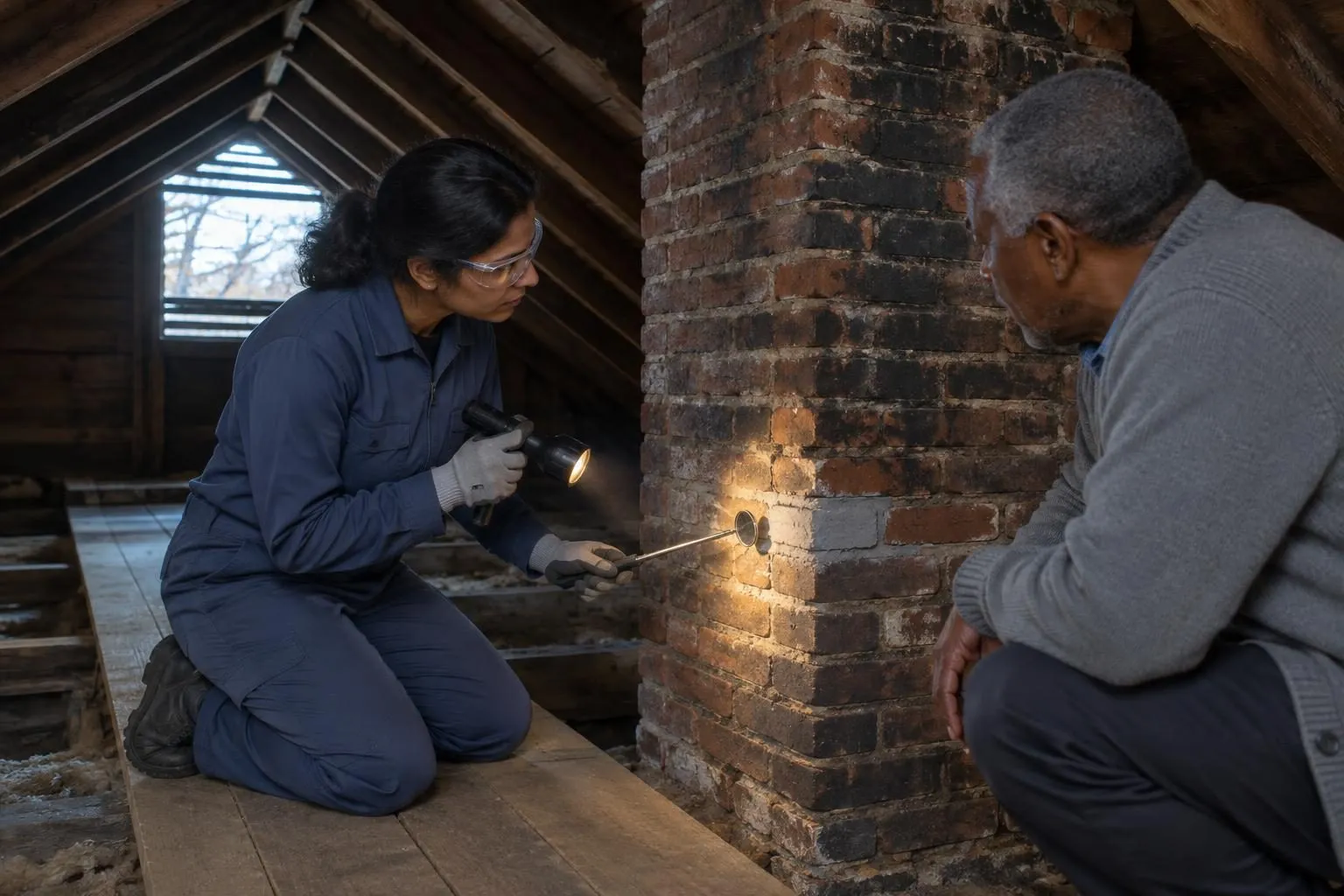
Here’s what most people miss: The cheapest inspector isn’t always the fastest. They’re the one without the camera, without CSIA certification, without digital documentation. They show up, look at the obvious stuff, say “you’re fine,” and leave. You feel reassured. You’re actually exposed.
Pro Tip:Always ask if the inspector is CSIA-certified (Chimney Safety Institute of America). Certified inspectors have the training and tools to spot flue mold, structural weaknesses, and creosote depth. Uncertified? You’re betting on luck.
The Hidden Fees Trap
Cheap estimates are loss leaders. Here’s how it works:
- You call for a free estimate: inspector shows up, 15 minutes of looking around
- Inspector says, “I’ll need to get a camera up there to be sure”—that’s $150 extra
- Your chimney is on the roof; roof access = $200 more
- Oh, and there’s creosote—cleaning that’s another $300
- You end up at $800 instead of $300
Chimney Savers VT figured this out and changed their model: free estimates only for new installations. For active chimneys, they charge for inspections upfront. Why? Because paid inspections force rigor. The inspector has skin in the game—they’re charging for accuracy, not just generating leads.
Nobody tells you this: when you pay for an inspection, you get a report. Photos. Documentation. Firm quotes for repairs, no surprises. When it’s free, you get a verbal “looks okay” or a vague “might need work later.”
Insurance companies and real estate transactions require written documentation. A free estimate doesn’t cut it.
Reality Check:Bundling an inspection with cleaning sometimes seems cheaper but often means the cleaning vendor wants to oversell repairs. Get the inspection and cleaning from different companies if possible, or at minimum, get written estimates for repair work before letting them proceed.
When Cheap Actually Backfires
Certified Sweeps (Chimney Solutions) tracked annual inspection data and found a pattern: homeowners who skip inspections to save $200–$400 per year end up needing $3,000–$15,000 in repairs within 5–7 years.
Why? Small problems compound.
A hairline crack in the flue liner doesn’t fix itself. Water seeps in during rain, freezes in winter, cracks expand. Within two years, you’ve got a structural integrity issue. The fix escalates from patching to full liner replacement: $2,500–$5,000.
Creosote buildup happens gradually. A cheap visual inspection says “looks fine.” A year later, you have a chimney fire. The flue is damaged, you need a new liner, and your insurance might not cover the full cost because they’ll argue the hazard should have been caught earlier.
Carbon monoxide leaks are silent. You won’t know about a cracked flue liner until someone gets sick. AHI (A Hill Inspection) emphasizes this: certified inspectors prevent CO poisoning incidents. Non-certified inspectors don’t have the training to spot the subtle signs.
The Real Math
Let’s be specific:
- Annual Level 1 inspection: $100–$150
- Biennial Level 2 inspection: $300–$500
- Total preventive spend (10 years): ~$2,500
Versus:
- Flue liner replacement: $2,500–$5,000
- Structural rebuild post-fire: $5,000–$15,000
- Water damage remediation: $2,000–$8,000
- Insurance claim denial (if inspection wasn’t done): Full cost out-of-pocket
Even if you never have a catastrophic failure, you’re catching small issues early. Cracked mortar gets sealed before water penetration. Crown damage gets fixed before the flue is compromised. This is not paranoia—it’s math.
Practical Bottom Line
Here’s what to do:
-
Get a paid Level 2 inspection if you own an active fireplace or use your chimney. Budget $300–$600. Non-negotiable.
-
Verify certification. CSIA or equivalent. Ask the inspector directly: “Are you certified? Can you show me?” Verbal “yes” doesn’t count.
-
Demand a written report with photos. If they offer only a verbal rundown, find someone else.
-
Schedule annually if you use your fireplace. NFPA 211 isn’t a suggestion. It’s the standard because chimneys kill when neglected.
-
Never let a cheap estimate morph into surprise repairs. Get a written quote before work begins. If they’re discovering problems mid-inspection, that’s red flag behavior.
-
Separate inspection from cleaning/repair. Conflict of interest is real. Get the inspection first, then decide on cleaning or repairs with a second opinion if needed.
If you’re buying a home, insist on a Level 2 as part of due diligence. If you’re selling, get ahead of it—a clean inspection report is worth thousands in buyer confidence.
Read more on home inspections in our Complete Guide to Chimney Inspectors, and learn how to find certified chimney professionals in your area.
The $300 you spend on a proper inspection today saves you $5,000+ and genuine danger later. That’s not an upsell. That’s math.
Done reading? Get quotes from chimney inspectors near you.
Takes about a minute. Free, no obligation; providers reply to you directly.
Popular cities: