Get free quotes from chimney inspection near you
Takes about a minute. Free, no obligation; providers reply to you directly.
I hired a chimney inspector before selling my house, paid $275, and got back a one-page report with three sentences. No photos. No mention of the massive crack I could see from my attic. When the buyer’s inspector flagged it later, I got a call from my realtor asking why I “missed” structural damage that required a $3,000 repair. That’s when I realized: a chimney inspection is only as good as the person reviewing it—and most homeowners have no idea what to actually look for.
The Short Version:A quality chimney inspection should include detailed photos, specific NFPA level designation, creosote measurements, and documented findings on exterior condition, damper function, and flue integrity. If your report lacks these—or glosses over visible damage—ask for a re-inspection or find a new inspector.
Key Takeaways
- Chimney fires cause 17,200 home structure fires annually—early detection through proper inspection saves lives and money.
- Your inspector’s report is your only proof of what was checked and what condition it’s in; vague reports leave you liable.
- 80% of inspected chimneys have creosote buildup—but only 36% of inspectors measure and document it properly.
- You have the right to request re-work if findings are incomplete or photos are missing; this is standard practice.
The Problem With Most Chimney Inspections (And Why It Matters)
Here’s the gap nobody talks about: the NFPA 211 standard that governs chimney inspections requires specific findings—creosote thickness, liner condition, damper seal, cap integrity—but it doesn’t require inspectors to hand you proof. So what you often get is a report that says “chimney looks fine” without actually showing you what was checked or how.
The result? You’re flying blind. And if something goes wrong—a fire, water damage, carbon monoxide issues—you have no documentation of what the inspector actually looked at. That’s a problem for your insurance, your liability, and your peace of mind.
The stakes are real: 36% of chimney fires involve creosote deposits exceeding 1/8 inch thick, according to the NFPA. Your inspector needs to measure that. And you need to see proof.
Reality Check:A Level 1 inspection (the annual baseline, $100–$250) requires only a visual check of accessible areas. But “visual” doesn’t mean “thorough.” The inspector could look for 10 minutes or 10 seconds. Your job is to verify they actually did the work.
What Your Inspector Should Have Checked (The 8-Point Standard)
Before you accept any report, match it against this checklist. Your inspector should document findings in all eight areas—with photos for structural or damage issues.
| Inspection Area | What to Look For | Acceptable Condition | Red Flag |
|---|---|---|---|
| Chimney Type & ID | Material (masonry, metal), age, fuel type noted | Type clearly identified in report | No mention of construction type |
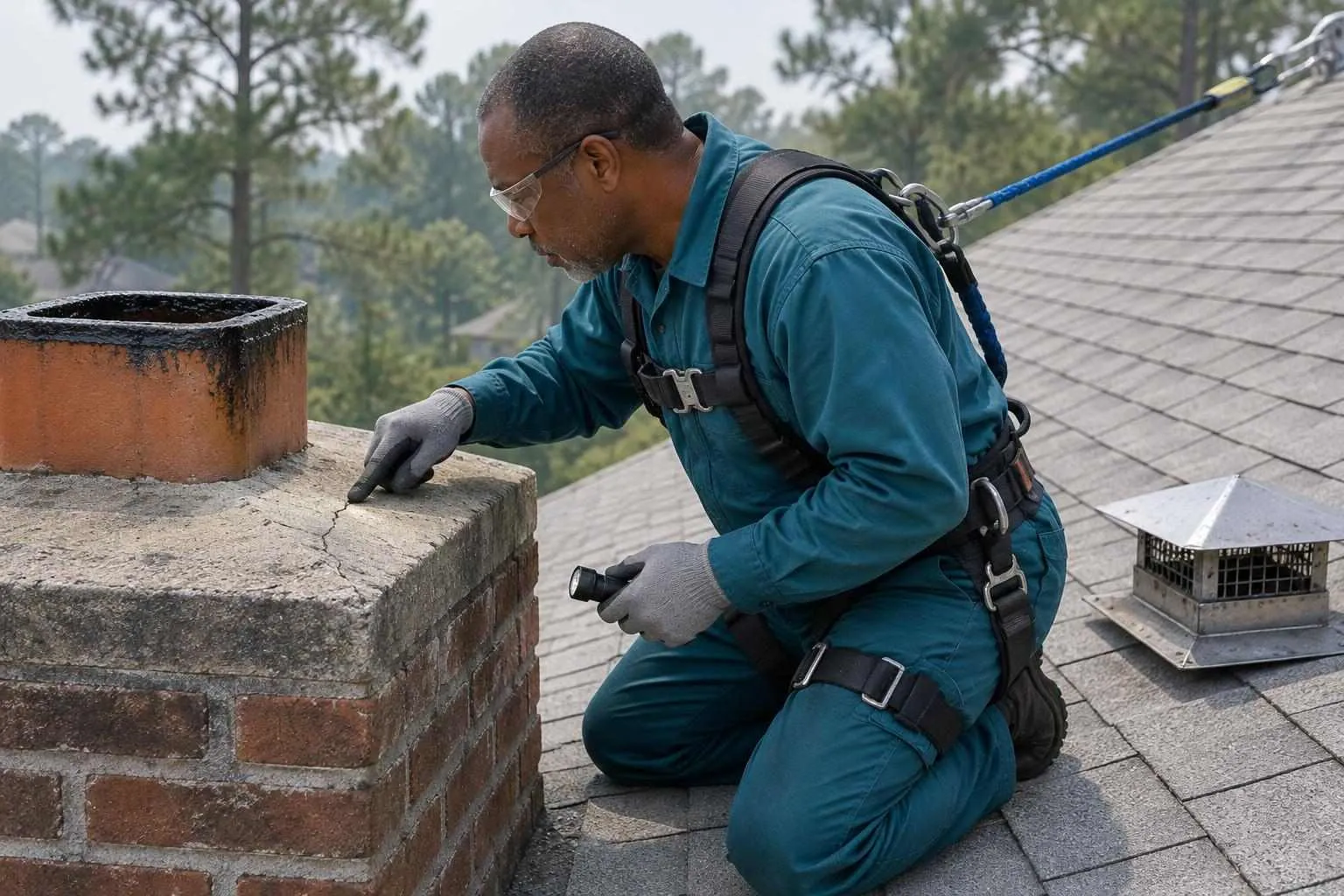
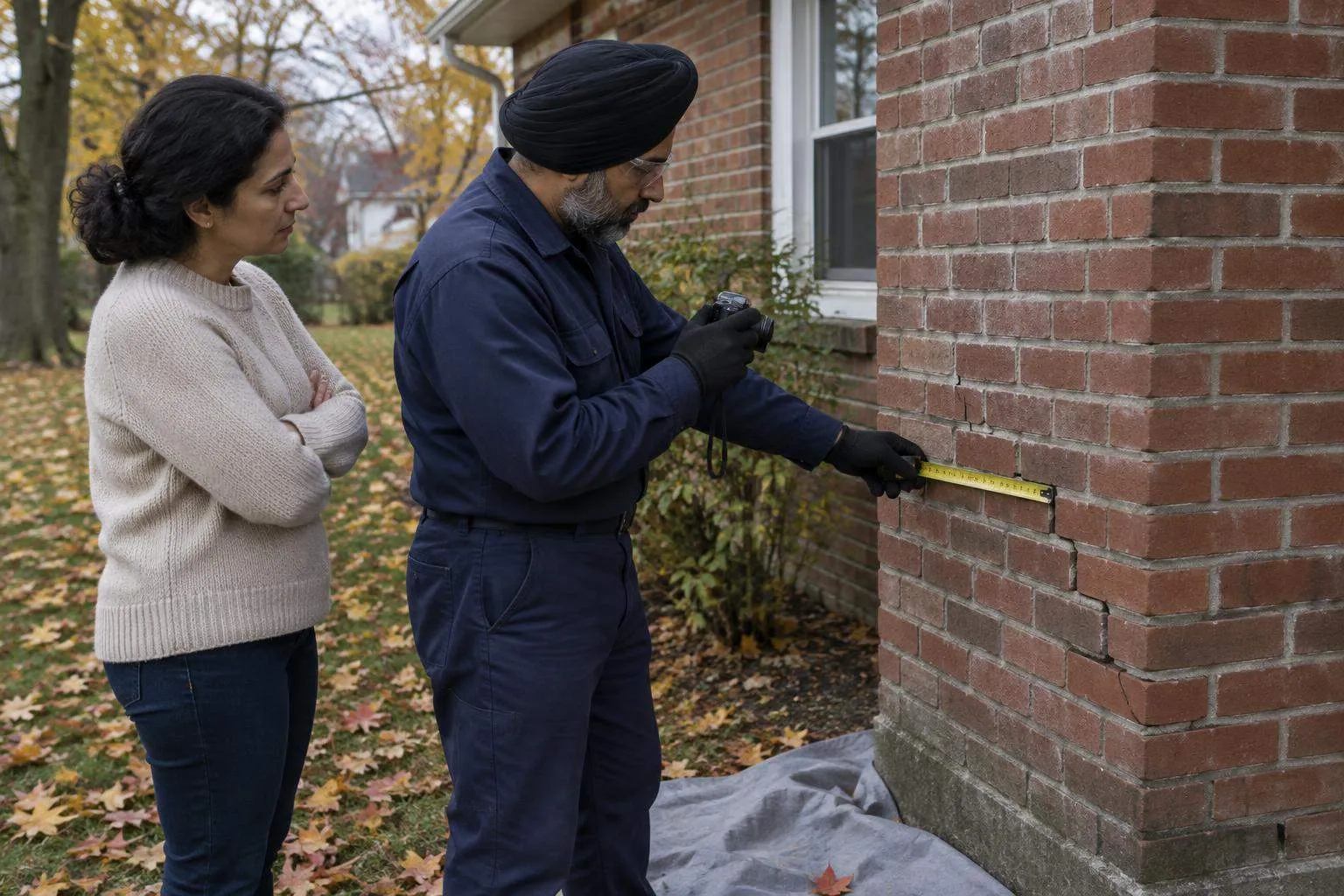
| Exterior Structure | Cracks in mortar, loose bricks, efflorescence (white stains), cap/crown | No visible cracks; mortar recessed <1/4”; cap intact | Cracks wider than 1/8”, missing cap, visible deterioration |
| Flashing & Seal | Connection between roof and chimney; water entry risk | Sealed with caulk or metal; no gaps | Gaps, missing sealant, rust stains below |
| Cap & Crown | Spark arrestor functional, no cracks | Crown free of cracks; cap secured; spark arrestor mesh intact | Crown cracked or eroded, cap loose or missing |
| Damper | Opens, closes, and seals fully; no corrosion | Moves smoothly; seals air-tight | Stuck, corroded, or allows draft when closed |
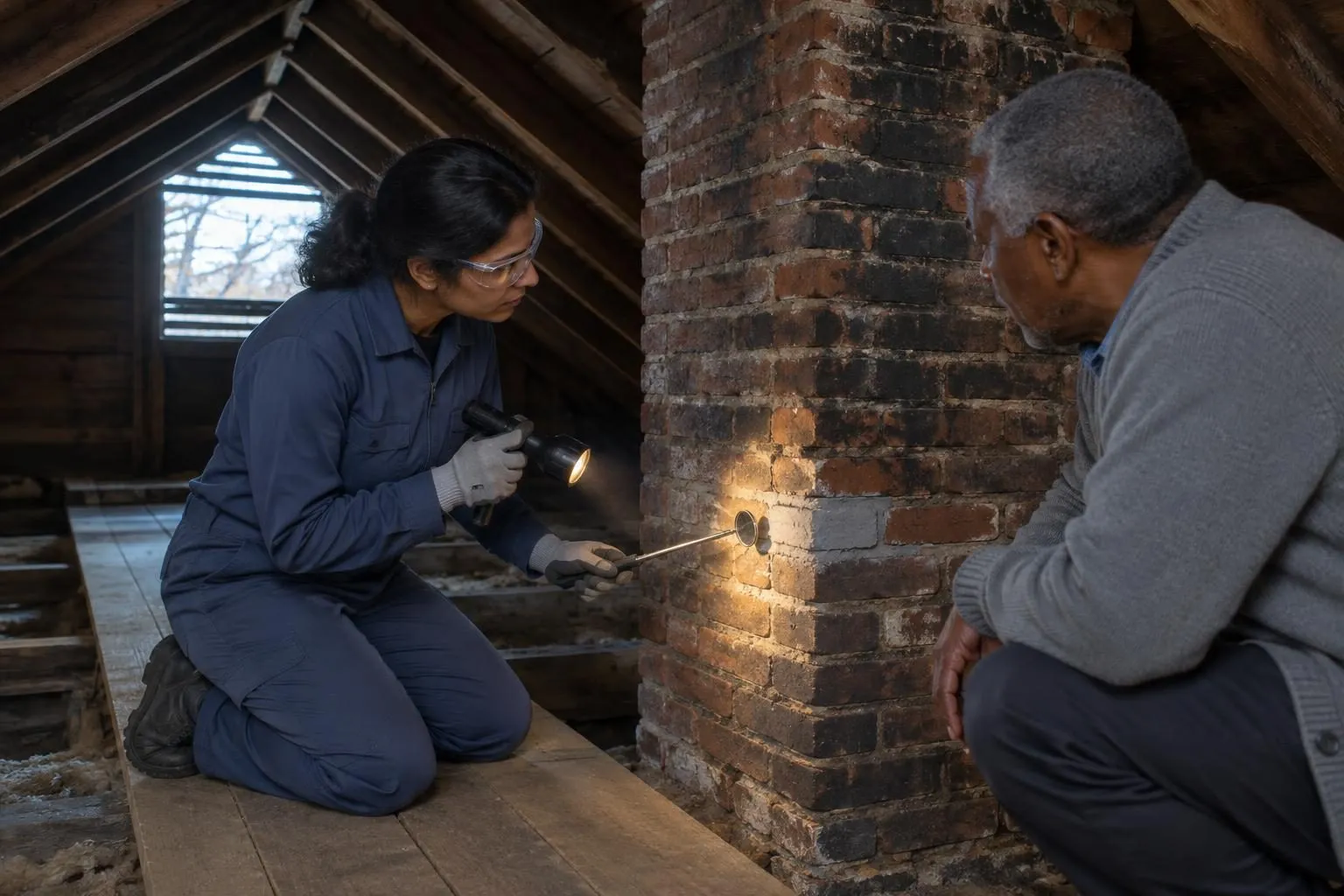
| Flue & Blockages | Creosote buildup (measured), nests, debris, obstructions | <1/8” creosote; no blockages; liner visible (not exposed brick) | >1/8” creosote, visible nests, obstructions, exposed brick |
| Firebox & Interior | Cracks, corrosion, grate condition | No cracks; grate intact; no active rust | Deep cracks, missing/broken grate, severe corrosion |
| Report Quality | NFPA level noted, photos included, repairs prioritized | Level cited; photos of issues; repair quotes provided | Vague findings, no photos, missing level designation |
What To Demand in a Written Report
Your inspector should hand you (or email) a report that includes:
-
NFPA Level Designation — Was this a Level 1 (visual), Level 2 (video scoping), or Level 3 (disassembly)? If they didn’t state it, they’re hiding something.
-
Measurements, Not Estimates — “Creosote buildup present” is not enough. You need: “Creosote 1/16 inch thick on flue walls, safe for continued use” or “Creosote 3/16 inch thick; cleaning recommended before next heating season.”
-
Photos of Problem Areas — If they note a crack, show it. If mortar is deteriorating, photograph it. If the cap is loose, you should see it in the report. No photos = no proof they looked.
-
Damper Function Documented — Did they actually test it? The report should say “Damper operates smoothly and seals fully when closed” or flag issues like “Damper stuck; may require replacement.”
-
Clearance Verification — For non-masonry chimneys, confirm they checked clearance from combustibles per your appliance manual (typically 2 inches minimum for metal pipes).
-
Repair Recommendations Prioritized — Separate “must fix before use” from “defer to next season.” Creosote >1/8 inch or structural cracks are urgent. Mortar recaulking can wait.
-
Inspector Credentials — Look for CSIA certification or state license number. A name and phone number alone isn’t enough.
Pro Tip:Request a video walkthrough if they performed a Level 2 inspection. You should be able to see inside your flue—nests, blockages, and creosote buildup are visible on camera. If they did the camera work but didn’t provide video, that’s a red flag.
When To Request Re-Work (And What That Looks Like)
You’re not being difficult by asking for a second look. This is standard in the industry. Request re-inspection if:
- Report is vague or incomplete. “Chimney is fine” without specifics = ask them to provide detailed findings or hire someone else.
- Key areas are missing. If there’s no mention of creosote measurement, damper testing, or exterior condition, gaps exist.
- Photos don’t match findings. If they note a crack but provide no photo, ask for one. If the photo quality is too dark to see damage, it doesn’t count.
- Obvious issues weren’t addressed. You can see daylight through a gap in the cap, but the report says “cap intact”? That’s a scope miss.
- Level of inspection doesn’t match your need. Buying a home? Demand at least a Level 2 (video + smoke test). Annual maintenance? Level 1 is fine if done thoroughly.
Here’s what re-work typically costs: nothing, if the inspector failed to meet standard. If they completed the work properly but you’re asking for additional services (e.g., upgrade from Level 1 to Level 2), expect to pay the difference in inspection fees.
Reality Check:A reputable chimney company will stand behind their work. If you push back on a sloppy report, they’ll either redo it or give you a refund. If they get defensive, that’s your signal to move on.
The Creosote Trap (Why This One Number Matters)
Creosote buildup is the #1 cause of chimney fires. The CSIA is clear: annual inspections identify 80% of creosote hazards early, but only if the inspector measures it.
Here’s what you need to see in the report:
- Under 1/8 inch: Safe for continued use. No cleaning needed yet.
- 1/8 to 1/4 inch: Monitor closely. Clean before next heating season.
- Over 1/4 inch: Cleaning required before any use.
If your inspector says “creosote present” without a measurement, ask them to be specific. They measured it—they’re just not telling you. Press for the actual depth. This is non-negotiable.
And here’s the thing: if your inspector says “no creosote,” they didn’t look hard enough. Even clean chimneys have some creosote. It’s what wood smoke leaves behind. The absence of any measurement should make you suspicious.
Practical Bottom Line
You’ve paid for a professional inspection. You deserve a professional report.
Before you sign off on any chimney inspection:
-
Read the full report yourself. Don’t rely on a realtor or contractor to summarize. Vague language is the inspector’s way of covering their backside.
-
Match findings against the 8-point checklist above. Is everything documented? Are there gaps?
-
Ask for clarification in writing. If creosote isn’t measured, if damper testing isn’t mentioned, or if photos are missing, email and ask. Their response tells you whether they’re detail-oriented or cutting corners.
-
If re-work is needed, request it immediately. The longer you wait, the harder it is to hold them accountable.
-
Get copies of everything. Report, photos, video (if Level 2), inspection certification. Store them with your home records. You’ll need this if something goes wrong.
A solid inspection costs $150–$400 nationally, up to $500+ in urban areas. That’s a small price for the peace of mind—if you actually get a thorough job. Hold your inspector to the standard. Your safety (and your liability) depends on it.
Next step: Review your most recent chimney inspection report against the checklist above. Missing items? Time to follow up or find a CSIA-certified professional.
For more on what to expect from chimney work, check out our complete guide to chimney inspectors, which covers everything from inspector credentials to choosing between cleaning and repair services.
Done reading? Get quotes from chimney inspectors near you.
Takes about a minute. Free, no obligation; providers reply to you directly.
Popular cities: