Get free quotes from chimney inspection near you
Takes about a minute. Free, no obligation; providers reply to you directly.
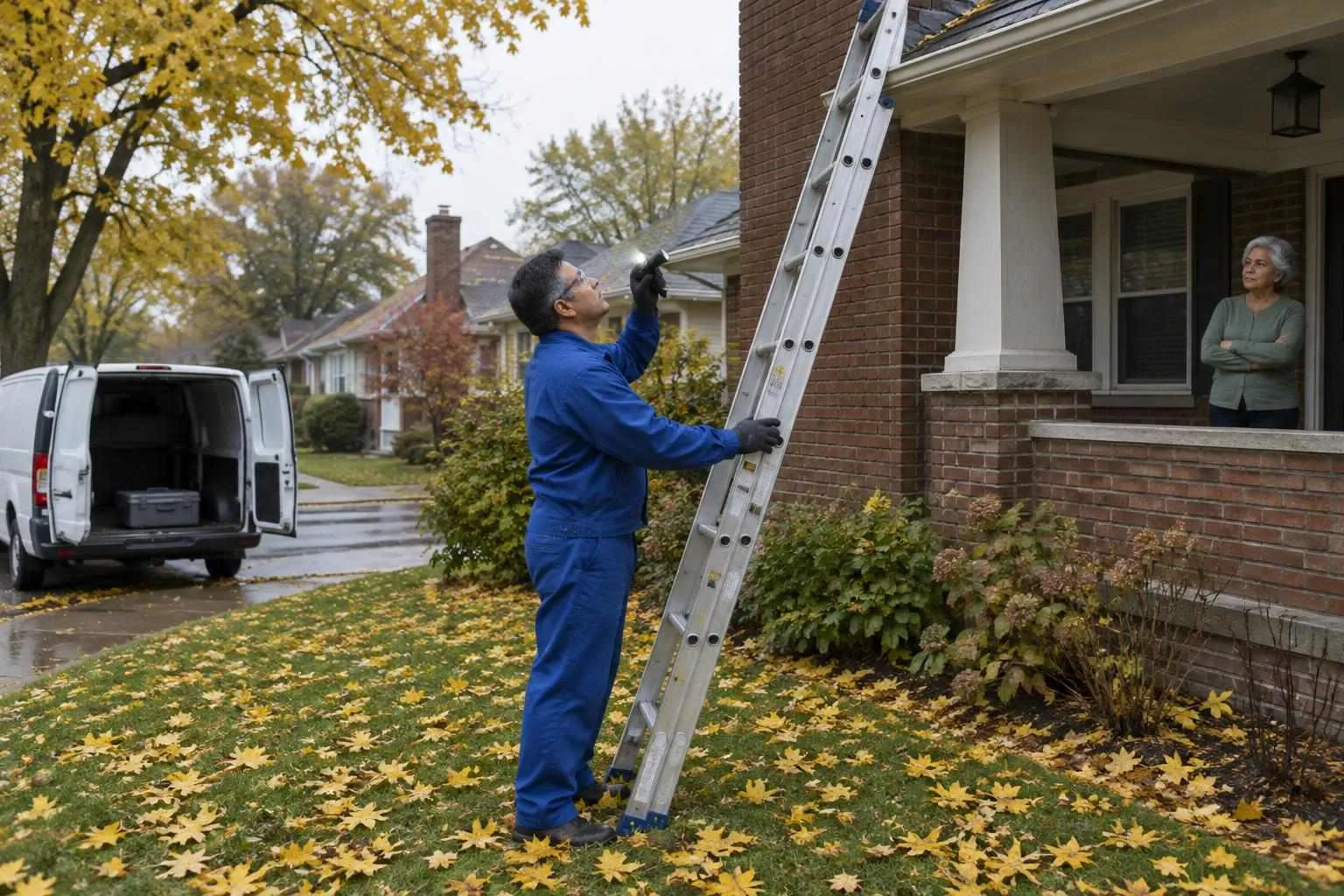
I got a call last Tuesday from a homeowner in suburban Ohio who’d just scheduled a chimney inspection for a real estate closing. The inspector—someone she’d never met—asked if he could do an initial “remote walkthrough” via video call before showing up in person. She loved the idea. Save time, get a preview, maybe skip the in-person visit altogether if nothing looked wrong.
That’s when she called me, unsure. “Can they actually tell me anything from a video?”
The honest answer: sometimes, but not always. And betting wrong on this one can cost you thousands in repairs or, worse, leave a serious safety hazard invisible.
The Short Version:Remote inspections are fine for a quick exterior check if you already trust the inspector and have good lighting. But for anything involving a property sale, potential safety issues, or systems you’ve never had evaluated before, you need someone in the chimney. Period.
Key Takeaways
- Remote inspections work only for Level 1 visual assessments and only when trained eyes can see the chimney exterior clearly
- Level 2 inspections (required for real estate transactions) legally require camera scans and in-person evaluation—remote doesn’t cut it
- Post-pandemic, “virtual inspectors” are sometimes marketing convenience over competence; CSIA certification still requires hands-on training
- You need in-person inspection if creosote buildup, flue damage, or CO risk is suspected
Why the Remote Inspection Trend Happened (and Why It’s Half-Baked)
The pandemic did what pandemic often do: forced an industry to see what was possible without traveling.
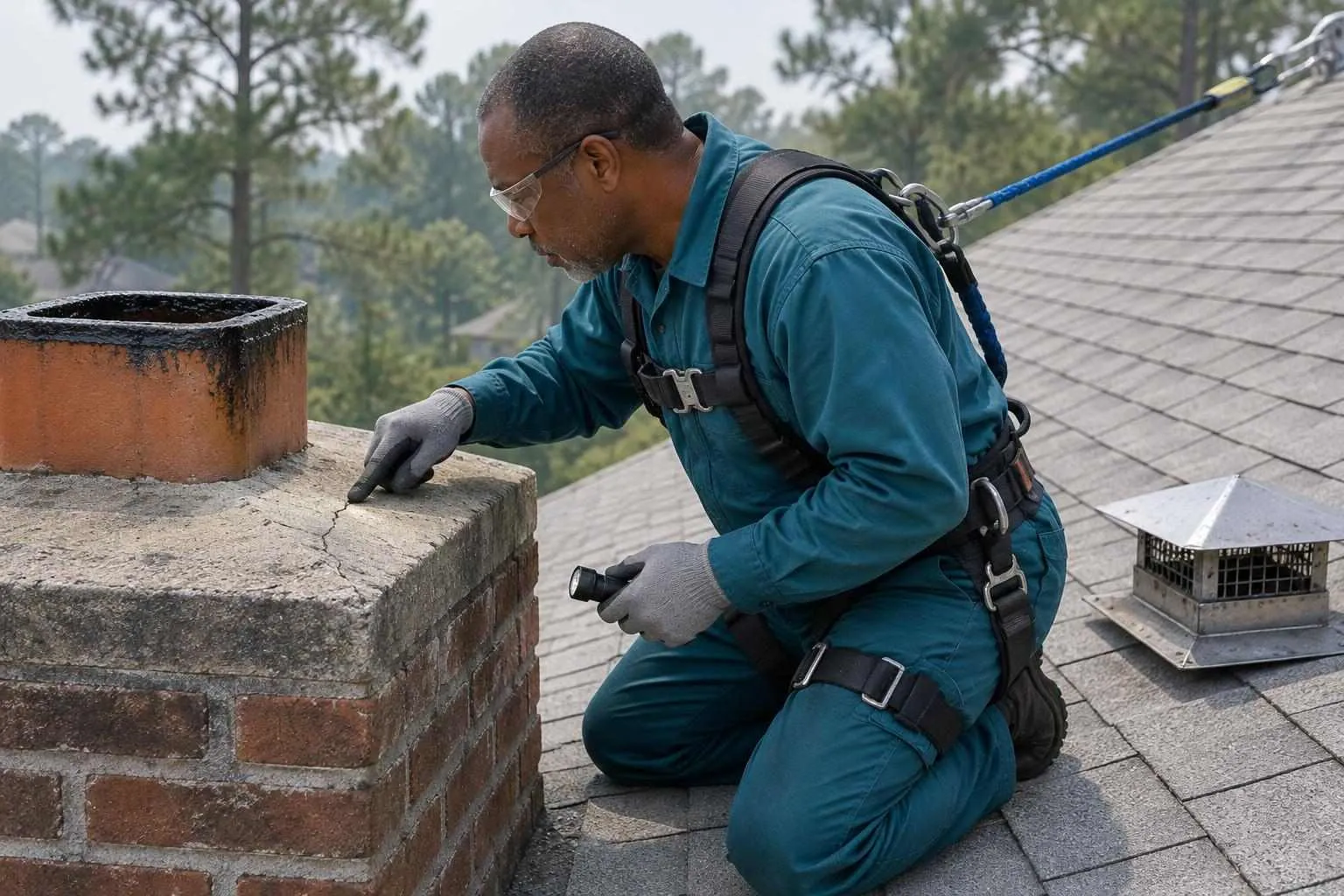
Chimney inspectors and sweeps traditionally show up at your house, perform CSIA-certified Level 1 or Level 2 inspections, identify creosote buildup, flue damage, and fire or CO hazards, and either clean or flag problems. It’s hands-on work. Or at least, it was.
Post-2020, some companies started offering “virtual pre-inspections”—a quick video call where the inspector talks you through what they’re looking at via your phone camera. Marketing departments loved this. Homeowners liked the idea of faster turnaround and lower upfront costs.
Here’s what marketing didn’t emphasize: remote inspection is legally insufficient for most of the situations where you actually need an inspection.
Reality Check:A CSIA-certified chimney inspector can legally perform Level 1 inspections (annual visual cleanings) remotely only if the homeowner already knows the chimney’s baseline condition. A Level 2 inspection—required for real estate transactions—must include a camera scan of the flue. That’s in-person. That’s non-negotiable.
The homeowner I mentioned? Her real estate agent had already flagged that the house would need a chimney inspection before closing. A remote-only assessment wouldn’t satisfy her lender’s requirements, and she’d end up paying for both a video call and an in-person visit.
Double the hassle, same price.
When Remote Actually Works (And When It Doesn’t)
Let me be specific, because this matters.
Remote inspections can deliver real value for:
- Annual follow-ups on chimneys you’ve already had professionally inspected. If you hired someone five years ago and they cleaned it thoroughly, a quick video walkthrough to confirm nothing’s obviously wrong between visits is legitimate.
- Quick visual checks of the chimney exterior. Damaged cap, loose bricks, visible soot around the opening—these are observable from outside via camera.
- Initial consultations with a professional you already trust. Setting expectations, discussing options, clarifying scope before the appointment.
Remote inspections fail completely for:
- Real estate closings. Your lender won’t accept it. The title company won’t accept it. Legally, you need Level 2.
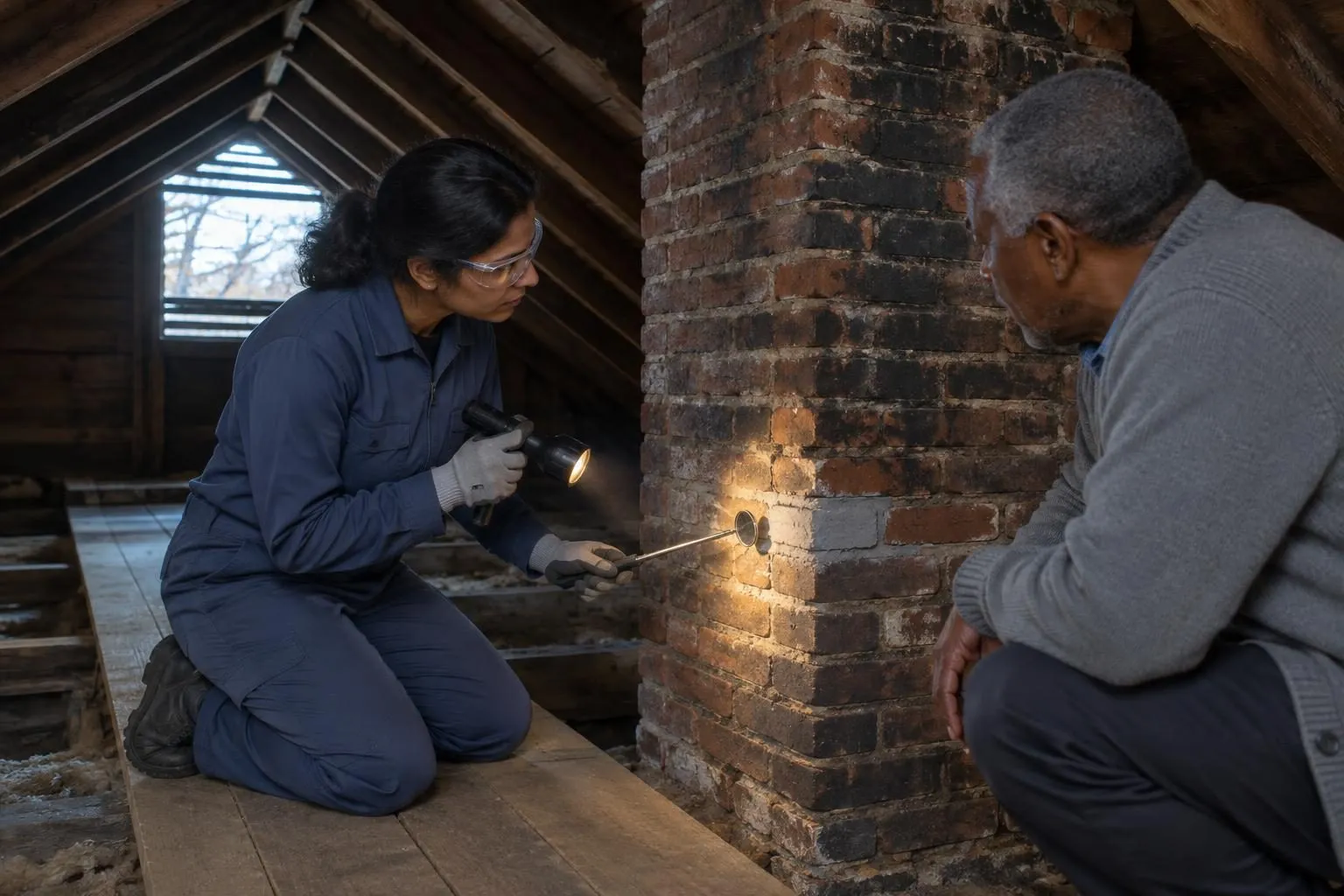
- Suspected flue damage or blockages. You cannot diagnose what you cannot see inside the chimney. A camera scan is the only tool that works.
- Creosote buildup assessment. It accumulates inside. No amount of exterior video will tell you if Stage 2 creosote is building up on the flue walls—and that’s a serious fire hazard.
- CO risk evaluation. Carbon monoxide leaks happen through cracks or poor seals that require hands-on inspection and testing.
- First-time evaluations of an unfamiliar chimney. If you’ve never had this chimney professionally assessed, a remote call is just educated guessing.
Nobody tells you this: the inspector doing the remote consultation is usually the same person who’ll do the in-person visit. They’re not saving you money or time—they’re just adding a preliminary call to the process.
The Comparison: Remote vs. In-Person
| Factor | Remote Inspection | In-Person Inspection |
|---|---|---|
| Cost | $75–150 (if charged separately) | $150–300+ depending on scope |
| Legal for real estate closings | No | Yes |
| Can diagnose flue damage | No | Yes |
| Can assess creosote buildup | No | Yes |
| Time to results | Same day (preliminary only) | 1–2 weeks (full report) |
| Best use case | Annual follow-up on known-good chimney | First inspection, sales, repairs, safety concerns |
| CSIA compliance | Level 1 only (limited conditions) | Level 1 & Level 2 |
Pro Tip:If an inspector is pushing a remote-only service for a real estate transaction, run. That’s either inexperience or a sign they’re trying to book two appointments where one should exist. A reputable CSIA-certified professional will be clear about what a video call can and can’t do.
The Post-Pandemic Reality Check
Here’s the friction nobody talks about: the industry adopted remote tools, but the underlying work didn’t change.
A CSIA-certified chimney inspector still needs to climb on your roof or insert a camera into your flue. The inspection protocols haven’t loosened. Your lender’s requirements haven’t softened. Real estate transactions still require the same documentation they did in 2019.
What has changed is that some companies now offer a preliminary video consultation. That’s legitimate if positioned honestly—“Let’s talk through what we’ll be looking at”—but it’s not an alternative to the actual inspection.
The post-pandemic trap: conflating convenience with necessity.
Reality Check:Virtual tools helped chimney inspection companies communicate better and schedule faster. They didn’t replace the work itself. If someone is telling you a remote inspection is “just as good” as in-person for anything more than a basic follow-up, they’re selling you speed, not service.
How to Know Which One You Actually Need
Ask yourself these three questions:
-
Is this for a real estate transaction, mortgage requirement, or homeowner’s insurance? In-person, Level 2. Full stop.
-
Have I had this chimney professionally inspected before, and was it clean? Remote might work for a quick annual check-in if you trust the inspector.
-
Do I suspect damage, unusual odors, reduced draft, or haven’t had it evaluated in 3+ years? In-person. Don’t guess on your own safety.
If you’re answering “yes” to #1 or #3, schedule in-person. A remote call might be offered as a free preliminary, but it’s a bonus, not a replacement.
Practical Bottom Line
Here’s what you’re actually paying for with chimney inspection services: certified expertise and legal compliance. Neither of those improves when you move to video.
What to do:
-
For annual cleanings or follow-ups on chimneys you know are good: Ask if your regular inspector offers remote check-ins. If they do, take advantage. If not, schedule in-person as usual.
-
For real estate closings, first-time inspections, or safety concerns: Skip the preliminary remote call. Go straight to in-person. It costs a bit more upfront and saves you from booking twice.
-
Verify CSIA certification. This matters more than the inspection method. A certified professional knows what they’re looking for and what the legal requirements actually are. Remote or in-person.
For more on what to expect from a professional inspection, see our complete guide to chimney inspectors, which covers the full scope of what Level 1 and Level 2 evaluations include and when each is required.
The remote inspection trend isn’t going away. But neither is the reality that some jobs require hands-on work. Understanding the difference—and choosing accordingly—is how you avoid paying twice and protect your home in the process.
Done reading? Get quotes from chimney inspectors near you.
Takes about a minute. Free, no obligation; providers reply to you directly.
Popular cities: