Get free quotes from chimney inspection near you
Takes about a minute. Free, no obligation; providers reply to you directly.
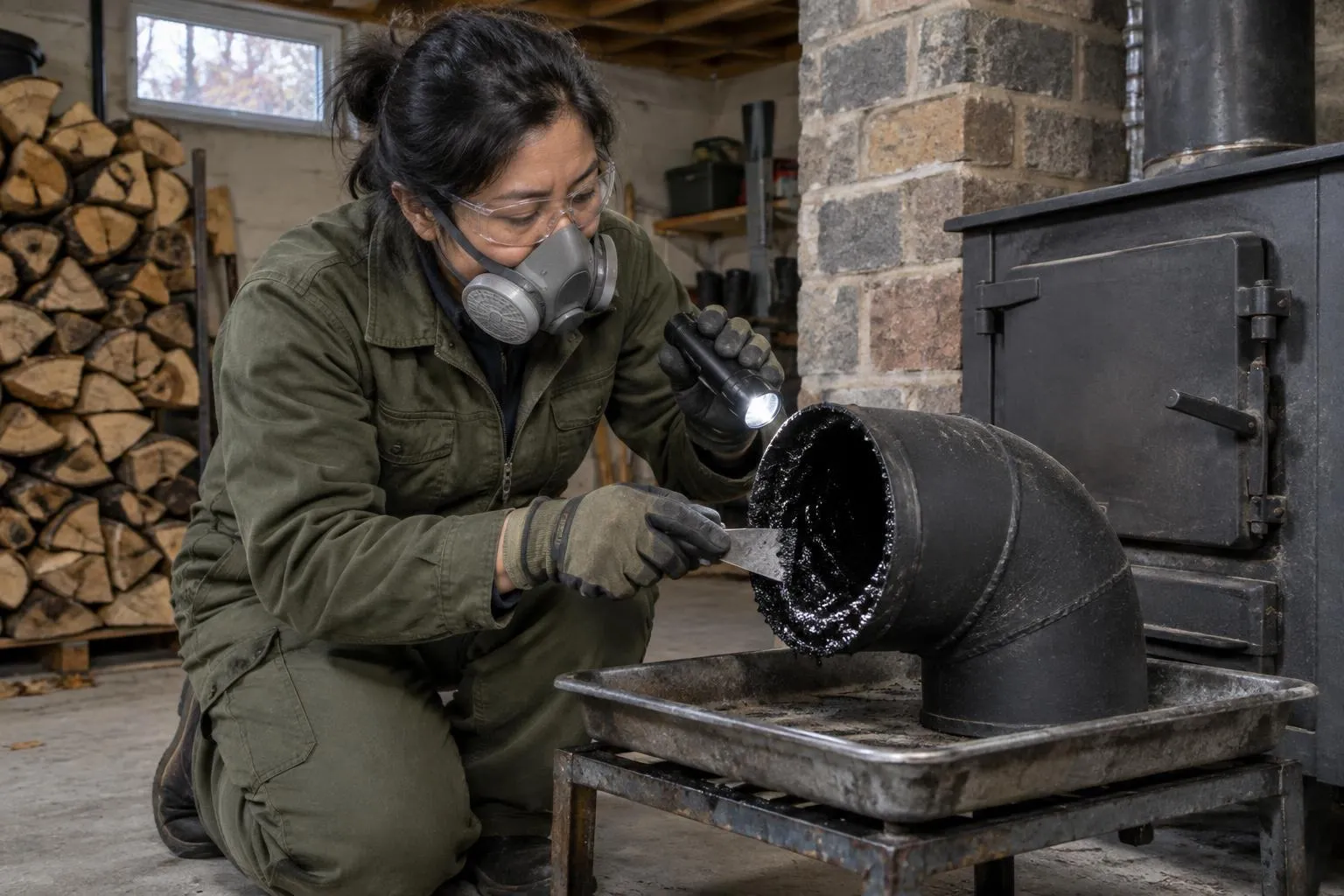
I hired an uncertified chimney sweep once because his quote was half the price of everyone else. Three months later, the certified inspector I finally called found creosote buildup so thick it was basically tar—one spark away from a full chimney fire. The uncertified guy? He’d missed it completely. Cost me an emergency cleaning, a new cap, and the distinct shame of realizing I’d almost burned my house down to save $300.
That afternoon taught me something most homeowners never learn: when it comes to chimney inspectors, the credential gap isn’t about prestige—it’s about whether someone actually knows what they’re looking for.
The Short Version:CSIA-certified inspectors have passed exams, follow ethics codes, and know how to spot hidden hazards; uncertified sweeps often don’t. For annual maintenance, certification matters less—for Level 2 inspections (home sales, appliance changes) or complex cases, it’s non-negotiable. Real estate agents and insurers won’t accept uncertified reports, anyway.
Key Takeaways
- CSIA certification requires $500+ in training, exams, and study materials—costs that reflect actual knowledge, not just marketing.
- NFPA 211 mandates annual chimney inspections; certified techs know all three inspection levels; uncertified sweeps typically don’t.
- Membership isn’t certification—NCSG membership alone doesn’t prove a technician can inspect; it just means they paid dues.
- The real cost of cutting corners: missed creosote, undetected flue damage, and rejected inspection reports when you sell.
The Credential That Actually Separates Pros From Handymen
Here’s what most people miss: there’s a difference between “someone who sweeps chimneys” and “someone certified to inspect them.”
The Certified Chimney Sweep (CCS) credential, administered by the Chimney Safety Institute of America (CSIA), was established in the 1980s as the industry standard. To earn it, you need:
- $300+ in study materials and training
- $200+ exam fees
- In-person or online coursework
- Passage of a proctored exam
- A signed Code of Ethics agreement
- Re-certification every 3 years via exam or continuing education
Compare that to the guy with a truck and a brush. He likely has neither the training nor the accountability framework. CSIA membership can be revoked for ethics violations—uncertified operators answer to no one.
Reality Check:NCSG (National Chimney Sweep Guild) membership is not the same as certification. Many homeowners see NCSG credentials and assume they’re equivalent to CSIA. They’re not. NCSG membership indicates someone paid dues and agreed to an ethics code—but it doesn’t require exams or formal training. Always verify the actual certification, not just the membership.
Certified techs also get something else: access to specialized technology (camera systems, draft gauges, moisture meters) and a network of peers who hold each other accountable. When you call a CSIA-certified inspector, you’re calling someone who has to maintain that credential or lose it.
Certified vs. Uncertified: The Side-by-Side Reality
| Factor | CSIA-Certified | Uncertified |
|---|---|---|
| Training & Exams | Required; proctored exam; ongoing education | None; self-taught common |
| Ethics Code | Signed agreement; violations can revoke membership | No enforcement mechanism |
| Technology Access | Camera systems, draft gauges, moisture detection | Basic tools; may miss hidden issues |
| Insurance/Realtor Acceptance | Required for home sales; accepted by insurers | Often rejected; may delay closings |
| Annual Inspection Capability | Yes; knows NFPA 211 Levels 1, 2, 3 | Level 1 only (if that); misses concealed damage |
| Cost | Higher (reflects training investment) | Lower upfront, higher risk long-term |
| Creosote/Flue Damage Detection | Trained to identify both visible and hidden hazards | Often misses buildup; no training on damage assessment |
| Report Quality | Detailed, actionable, legally defensible | Informal or missing; won’t satisfy lenders/insurers |
Nobody tells you this part: when you sell your house, your inspection report has to come from someone with the right credential. If an uncertified sweep did your inspection, you’ll need to hire a certified one anyway—and now you’ve paid twice.
When Certification Becomes Non-Negotiable
Annual maintenance? An experienced uncertified sweep might catch obvious creosote. But the NFPA 211 standard mandates annual inspections for all chimney and venting systems—and that standard exists for a reason.
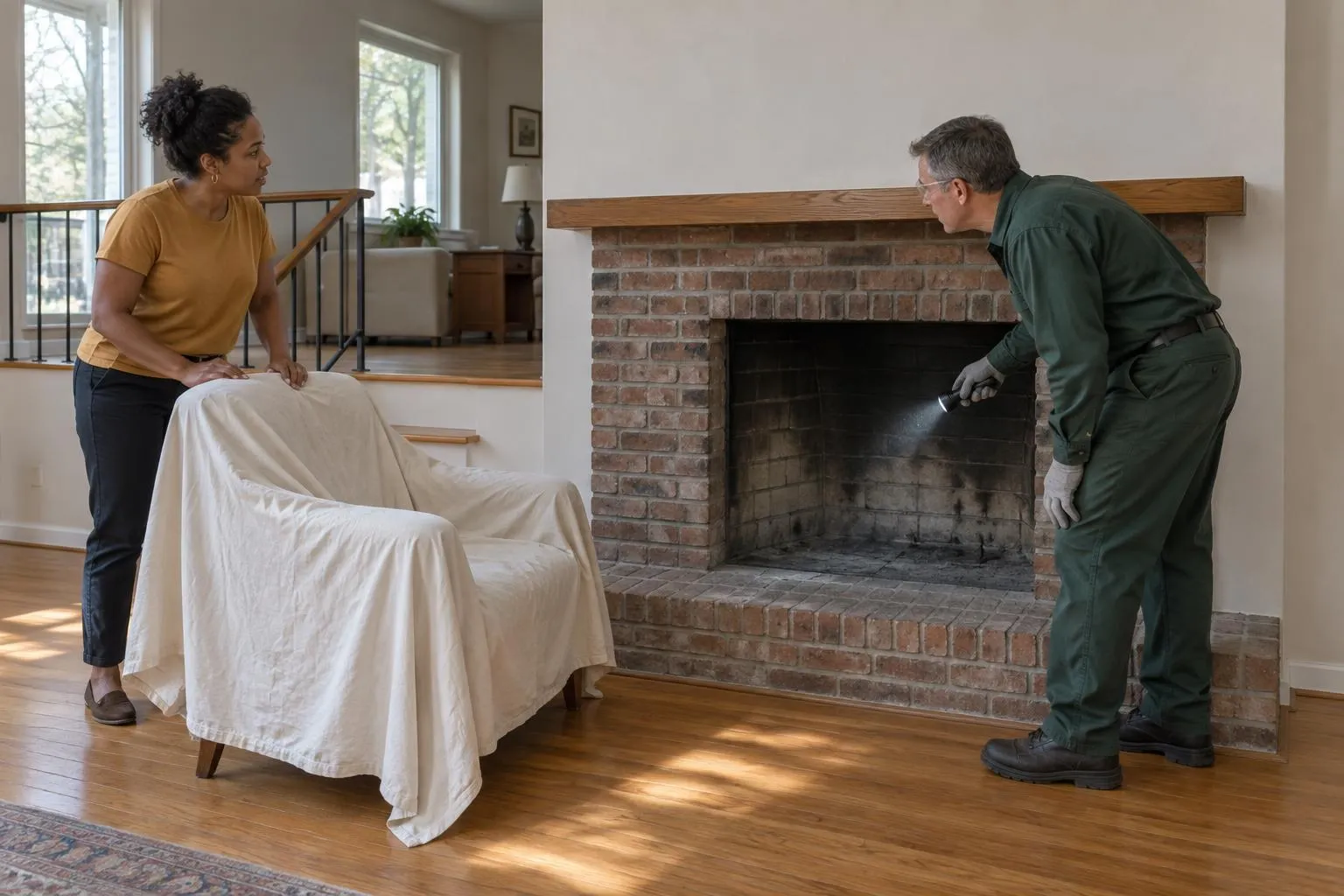
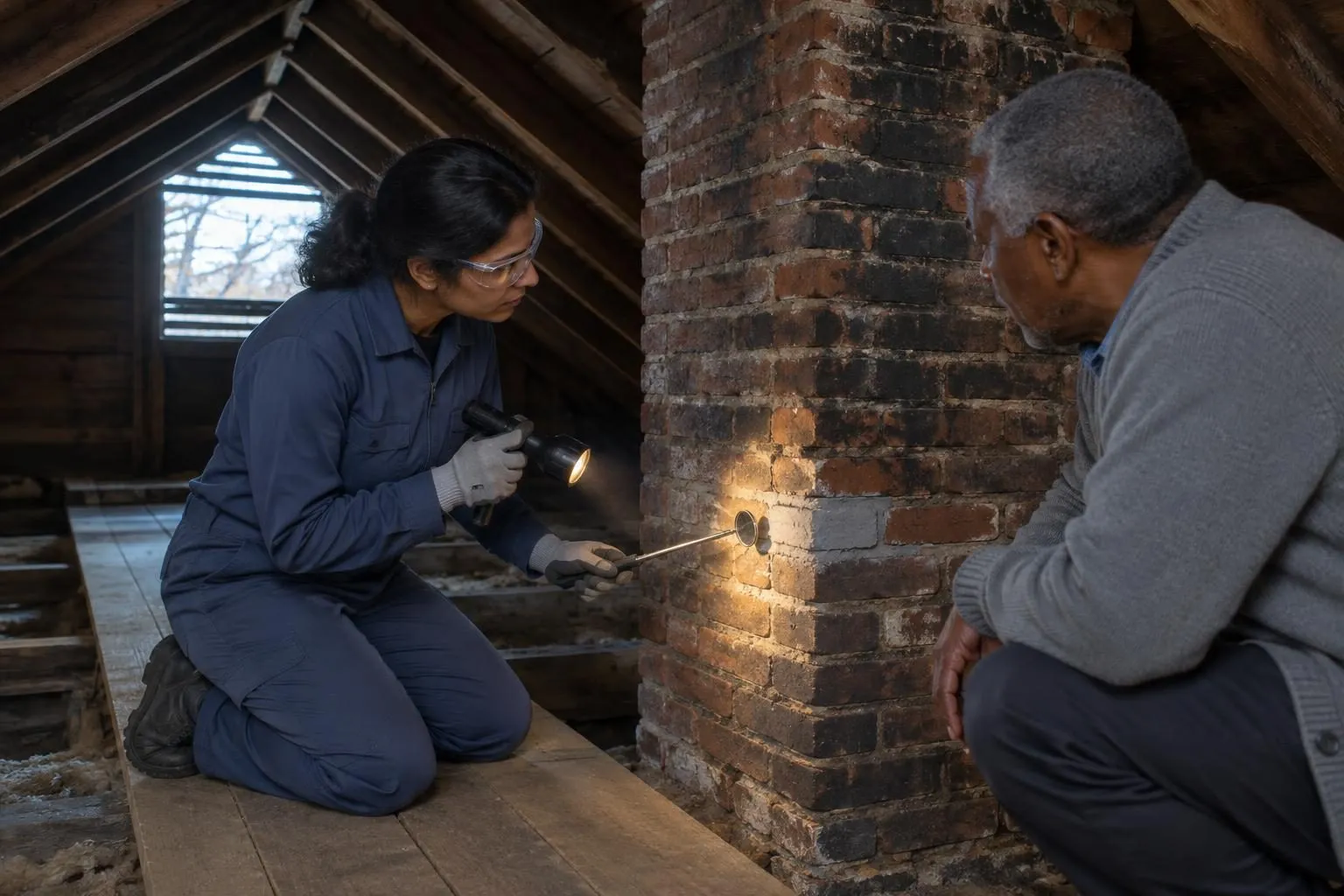
Home sale or appliance change? This is where certification stops being optional. Your lender and insurance company will demand a Level 2 inspection from a certified tech. A Level 2 goes beyond what you see:
- Visual inspection of concealed areas (inside the fireplace, flue chambers)
- Detailed report with specific repair recommendations
- Legal documentation that satisfies real estate requirements
An uncertified inspector can’t credibly offer this. Even if they try, the report will be rejected.
Complex cases (new appliance install, major repairs, structural concerns): Hire certified. Period. These situations require someone who understands building codes, venting specifications, and how to detect draft issues that cause CO problems.
Pro Tip:Ask any chimney inspector for proof of current CSIA certification before you book. Don’t accept “I’m in the guild” or “I’ve been doing this for 20 years.” Twenty years of uncertified work isn’t the same as certified credentials. Request to see the actual certificate—and verify it’s current on the CSIA website.
The Real Cost of the Credential Gap
A certified inspector charges slightly higher rates than an uncertified one—because they’ve invested $500+ in training, maintain ongoing education, carry professional liability insurance, and follow an ethics code that has teeth.
Here’s the thing nobody wants to admit: that extra cost is an investment in not burning your house down.
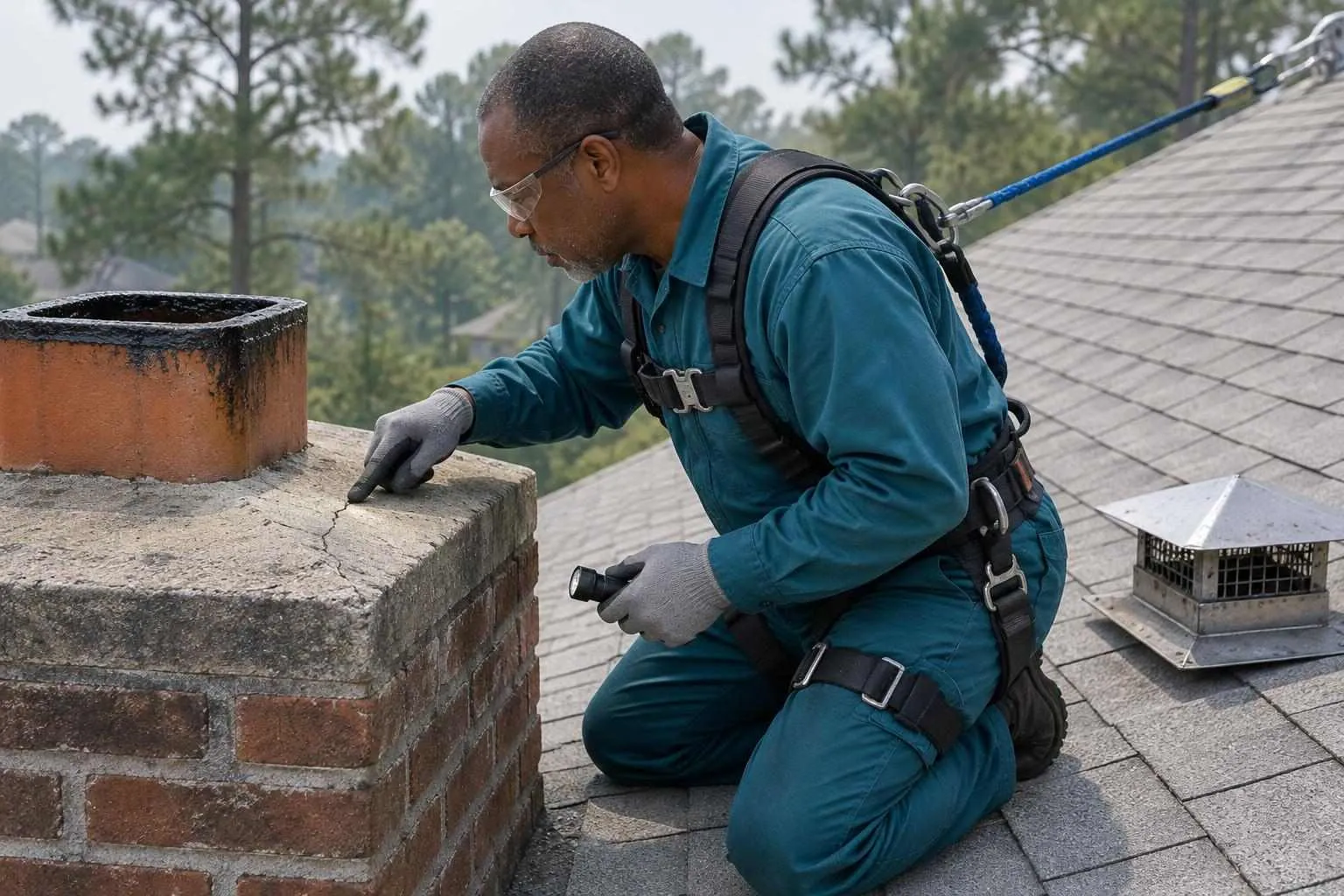
The creosote buildup that almost caught my chimney on fire? That’s the third-leading cause of residential fires. An uncertified sweep might see creosote and think “I’ll just clean it.” A certified tech knows that how much and where it’s located determines whether you need a new flue liner, a chimney cap, or both.
I found no nationwide statistics comparing injury or incident rates between certified and uncertified inspectors—the data simply doesn’t exist. But real estate agents (who handle closings daily) and insurance companies (who pay claims) have made their preference crystal clear: they require CSIA certification. That’s not a coincidence.
Reality Check:Some uncertified sweeps are careful, experienced people who just never bothered with the credential. But you have no way to verify their knowledge without seeing the certification. The credential exists precisely because experience alone isn’t enough—you need the training, the exam pass, and the accountability.
Practical Bottom Line
If you’re hiring for a home sale, appliance change, or anything legally binding: Certified only. Full stop. Your lender and insurance company won’t accept anything less, and rejecting an inspection report kills closing timelines.
If you’re hiring for annual maintenance: Certified is still the smart choice. But if you know someone with 15+ years of uncertified experience who’s never missed a problem, you can probably trust them. Ask for references, check reviews, and make them prove their track record—but understand you’re taking on more risk than you would with certified.
Your next move: Call 2–3 CSIA-certified sweeps in your area (search by zip at the CSIA directory). Get quotes. Ask what Level of inspection they recommend based on your situation. And verify that certificate yourself—online, directly on the CSIA site.
The $300+ difference in cost between certified and uncertified is cheap insurance compared to a chimney fire or a failed home sale.
Want the full breakdown on how inspections work? Check out the Complete Guide to Chimney Inspectors for the inspection levels, what to expect during a Level 2, and how to spot a questionable report.
Done reading? Get quotes from chimney inspectors near you.
Takes about a minute. Free, no obligation; providers reply to you directly.
Popular cities: