Get free quotes from chimney inspection near you
Takes about a minute. Free, no obligation; providers reply to you directly.
I called a chimney inspector on a Tuesday afternoon feeling like I’d done my homework. I’d Googled “best chimney service near me,” found someone with four-star reviews, and scheduled an inspection for the following week. When he showed up, I asked exactly zero questions—just handed over my credit card after he finished. Six months later, I found out he’d missed creosote buildup that a second inspector caught immediately. Turns out, those four stars came from people who’d never had a second opinion.
That’s when I learned: hiring a chimney inspector isn’t like hiring someone to fix your Wi-Fi. A bad inspection can hide fire hazards, carbon monoxide risks, and structural damage that shows up in a home sale or—worse—a house fire.
The Short Version:Ask about CSIA certification, inspection levels, what equipment they use, and whether they’ll provide a detailed written report. The right inspector will answer all 15 of these questions directly—no vague deflection.
Key Takeaways
- CSIA certification separates real professionals from anyone with a ladder and a broom
- Level 1 (visual) and Level 2 (camera-based) inspections serve different purposes and costs
- A written report with photos isn’t optional—it’s your only proof of what was (or wasn’t) found
- The cheapest option almost always costs more in the long run
The 15 Questions That Actually Matter
1. Are You CSIA Certified?
This isn’t a bonus credential—it’s the difference between someone who knows what they’re doing and someone with YouTube experience. The Chimney Safety Institute of America (CSIA) certification means the inspector has completed training, passed exams, and commits to staying current on industry standards.
A good answer: “Yes, I’m CSIA certified, and my certification number is [X]. I renew it every three years.” Anything else is a yellow flag.
Pro Tip:Verify their certification number directly on the CSIA website. Yes, actually do this.
2. How Long Have You Been Doing This?
Experience matters in a field where you’re spotting subtle damage most homeowners never see. Someone who’s been inspecting chimneys for two years has seen seasonal patterns, common failure points, and how different masonry ages.
Look for at least three to five years of hands-on experience. If they’re newer, ask about their training and whether they work alongside more experienced inspectors.
3. What Type of Inspection Are You Recommending—Level 1 or Level 2?
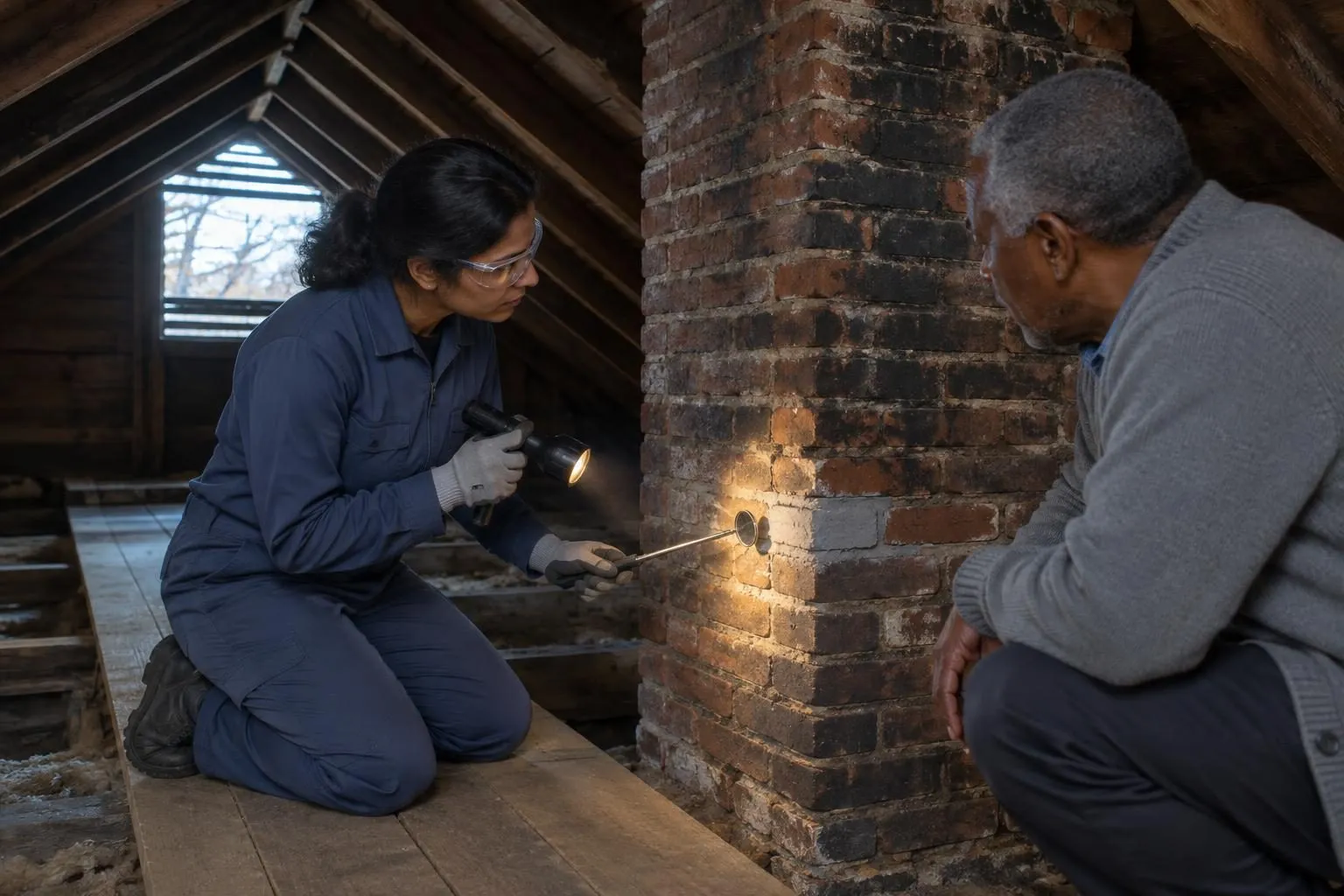
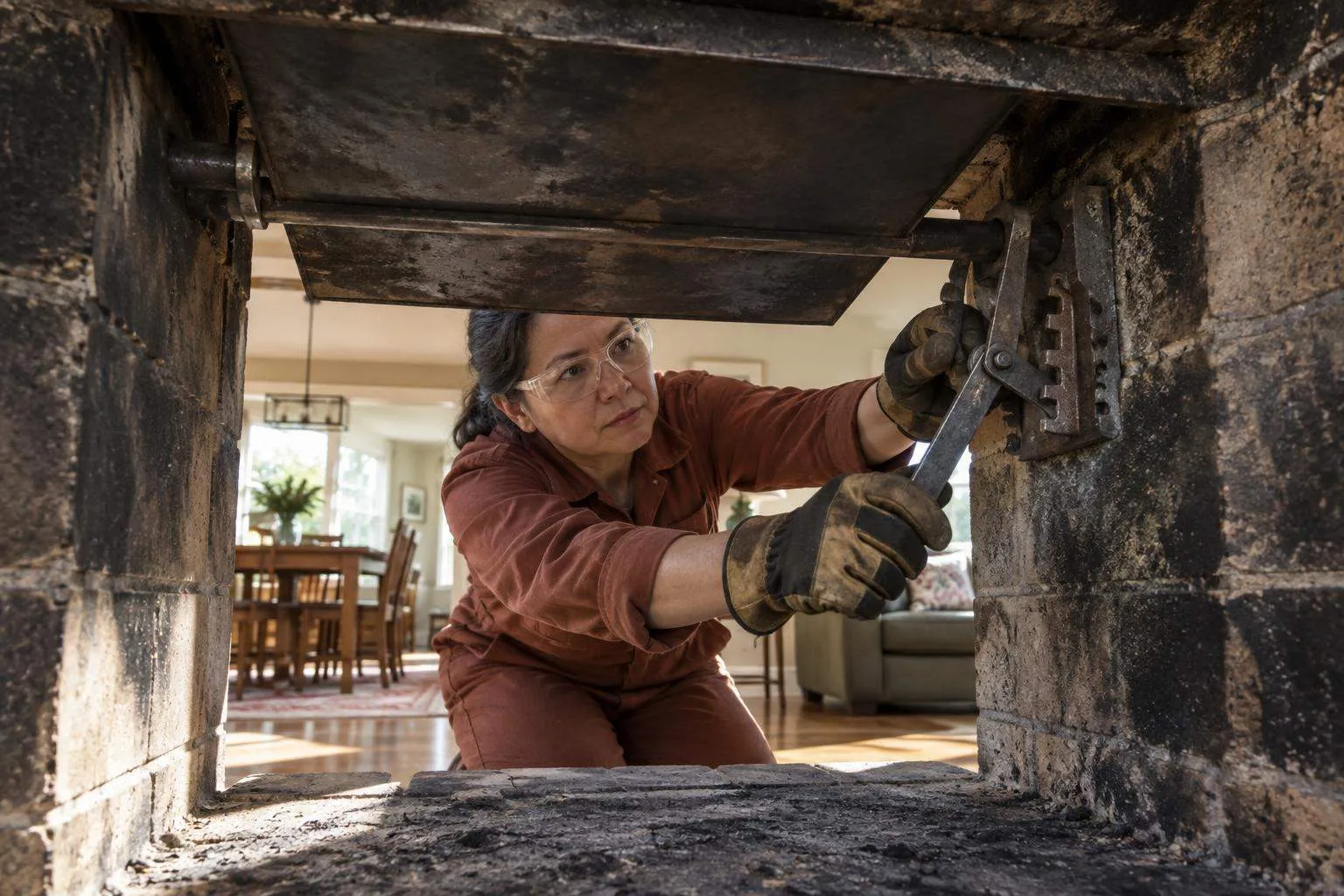
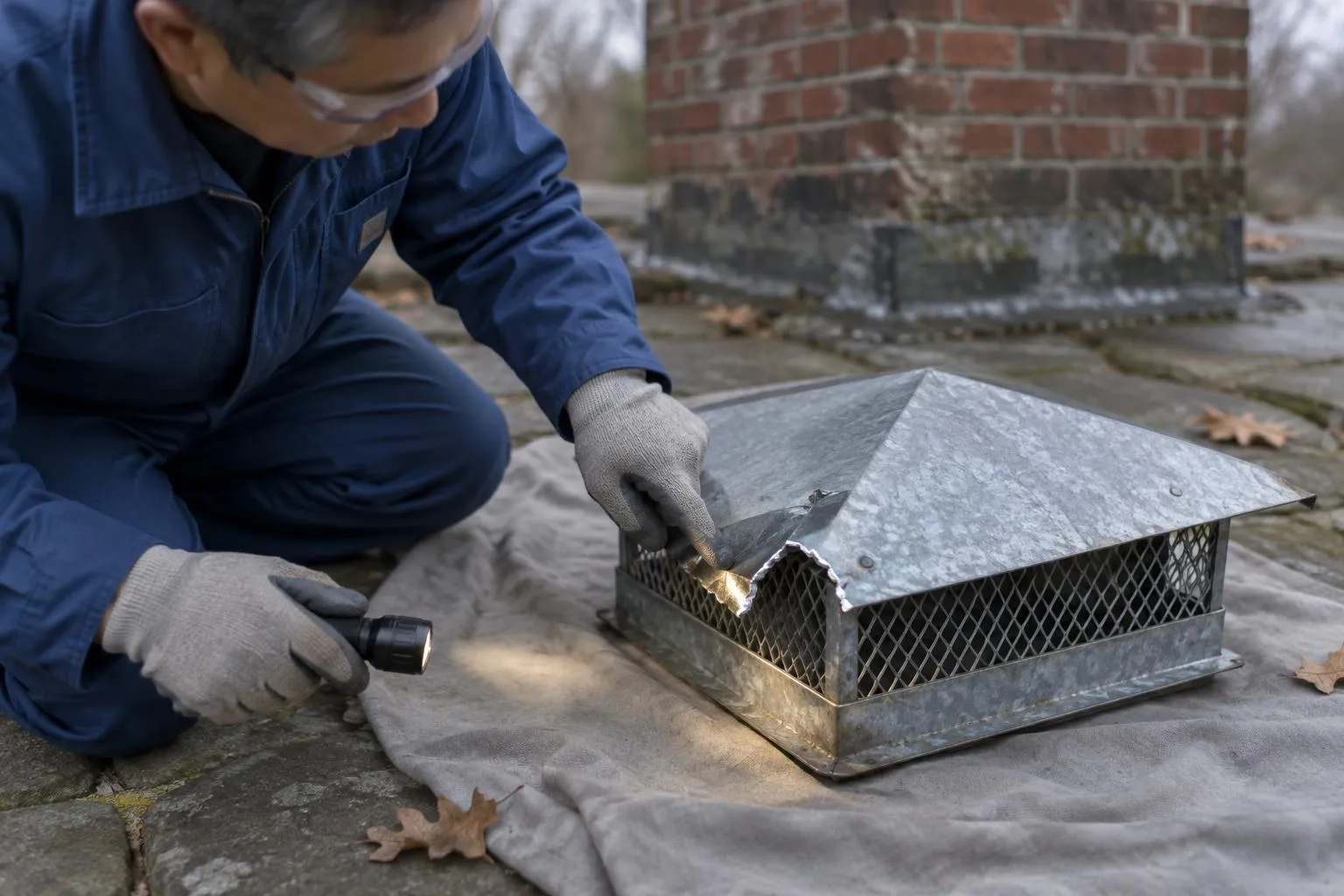
Level 1 is a basic visual inspection (annual maintenance, routine checks). Level 2 uses camera equipment to look inside the flue and spot hidden damage (usually required for real estate transactions or if there’s been a fire or animal damage).
They should explain why you need one vs. the other, not just upsell you to Level 2. A professional assesses your situation first.
| Inspection Type | What It Covers | Cost Range | Best For |
|---|---|---|---|
| Level 1 | Visual exterior/interior, basic flue check | $100–$150 | Annual maintenance |
| Level 2 | Full camera inspection of flue and venting | $200–$400 | Home sales, suspected damage |
| Level 3 | Removal of structural components, invasive inspection | $500+ | Active leaks, major damage found in Level 2 |
4. What Equipment Do You Use for Inspections?
Good inspectors use high-resolution cameras, moisture meters, and creosote gauges. Budget gear = miss details. If they’re using a camera from 2008 or can’t explain what they’re measuring, that’s a problem.
Ask specifically: “What’s your camera resolution?” and “Do you have equipment to measure creosote depth?“
5. Will You Provide a Detailed Written Report with Photos?
This isn’t a “nice to have.” A written report is your only proof of what the inspection found, what was recommended, and what wasn’t addressed. Without it, you have nothing to show your insurance company, a home inspector during a sale, or a fire investigator if something goes wrong.
A solid report includes:
- Photos of exterior and interior
- Specific findings (creosote buildup percentage, flue damage, missing mortar, etc.)
- Clear recommendations with priority levels
- The inspector’s signature and certification number
6. How Do You Price Your Inspections?
Transparency on pricing matters. Some inspectors charge flat rates; others charge by type (Level 1 vs. Level 2). Some have travel fees for distances over a certain radius.
Avoid inspectors who won’t quote a price until they’ve assessed your situation or who have vague “starting at” pricing. Get a range and ask what’s included.
Reality Check:The cheapest quote often comes with the shortest report and the least detail.
7. Do You Do Your Own Repairs, or Do You Refer Out?
This isn’t a deal-breaker either way, but it matters for bias. An inspector who also does repairs has a financial incentive to recommend expensive work. That doesn’t mean they’re dishonest—but it’s a conflict of interest worth knowing about.
A good answer: “I do [X repairs] in-house and refer out for [Y]” or “I strictly inspect; I don’t do repairs.” Both are fine. Just be clear about it.
8. Can You Explain What You’re Finding in Real Time?
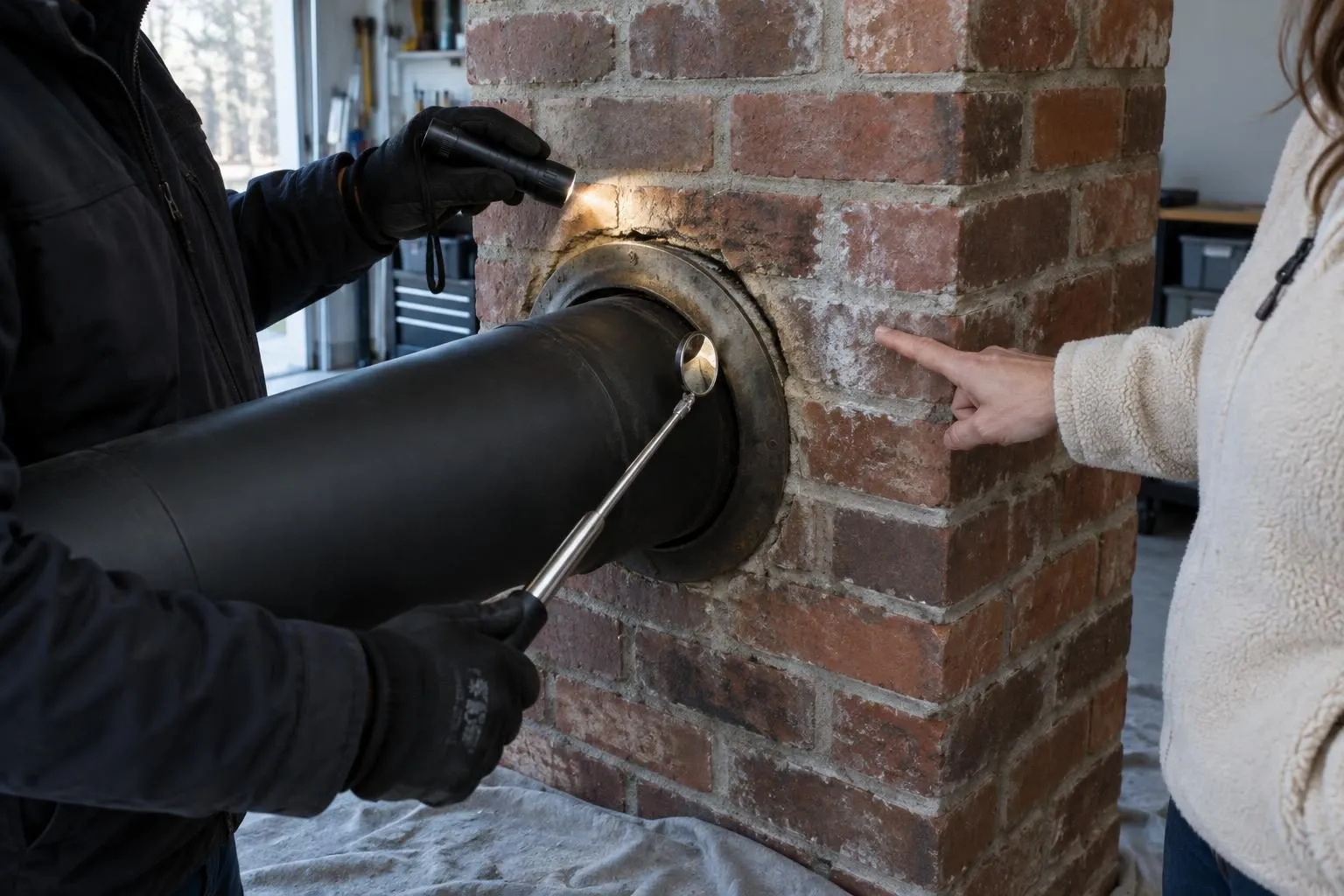
A professional inspector should walk you through findings as they happen, point things out in photos, and explain what creosote buildup or flue damage actually means in plain English—not industry jargon.
If they rush through or give one-word answers, that’s a sign they’re running through a checklist, not actually thinking about your chimney.
9. What’s Your Turnaround Time for the Written Report?
Reports should come within three to five business days, not three weeks. If you’re in a home-sale scenario, delays cost time and money.
Ask upfront: “When will I have the written report?“
10. Are You Insured and Bonded?
Liability insurance covers damage they cause during inspection. A bond protects you if they take your deposit and disappear. Both matter, especially for Level 2 inspections that require equipment inside your home.
Ask to see proof. If they hesitate, move on.
11. Have You Worked With Homes Built in [Your Home’s Year/Style]?
Older homes (pre-1970s) have different venting systems and masonry than newer construction. A inspector who’s only worked on modern houses might miss problems specific to your home’s age.
Example: “Have you done inspections on 1950s-era brick chimneys with clay tile liners?” Their specific experience matters.
12. What’s the Most Common Problem You Find, and What Usually Causes It?
This tells you whether they actually understand the why behind problems or just spot surface-level issues. Creosote buildup (the #1 fire hazard in chimneys) happens when flues aren’t hot enough or wood isn’t seasoned properly—a good inspector will connect the dots.
If they can’t explain the cause, they’re not thinking critically about your specific situation.
13. How Often Should I Have My Chimney Inspected?
The baseline: annual inspection if you use your fireplace or wood stove regularly. But that answer might change based on your home’s age, usage, and what they find.
A professional gives you the industry standard, then tailors it to your situation. “You should get this looked at every 18 months given the creosote levels I found” is better than “Once a year, every time, period.”
14. What Should I Do If I’m Selling My House—Do I Need Both Level 1 and Level 2?
Most real estate transactions require a Level 2 inspection. Some don’t. The answer depends on your local market, the buyer’s inspector’s findings, and your specific situation.
An inspector who answers confidently but also acknowledges “this is really a question for your real estate agent” shows they’re not overstating their expertise.
15. Can You Provide References From Recent Inspections?
Ask for at least two to three references (ideally from the last 6–12 months, not five years ago). Call or email them. Ask: “Did they explain everything clearly?” “Was the report thorough?” “Did they try to upsell you on work you didn’t need?”
References filter out inspectors who are technically qualified but terrible with communication or ethics.
Practical Bottom Line
Before you book, send an email with these 15 questions and see how they respond. A professional gets back to you within 24 hours with specific answers, not a sales pitch. If you get vague replies, a auto-generated response, or pressure to book immediately, that’s your signal to keep looking.
Once you’ve hired them, stay home during the inspection. Ask questions in real time. Get that written report in your hands before you pay. And if something feels off—trust it.
The goal isn’t to become a chimney expert. It’s to hire someone who actually is one.
Learn more: Read the Complete Guide to Chimney Inspectors for deeper context on what inspectors look for and when you need different inspection types. If you’re hiring for a home sale, check out our guide on pre-sale chimney inspections for transaction-specific considerations.
Done reading? Get quotes from chimney inspectors near you.
Takes about a minute. Free, no obligation; providers reply to you directly.
Popular cities: